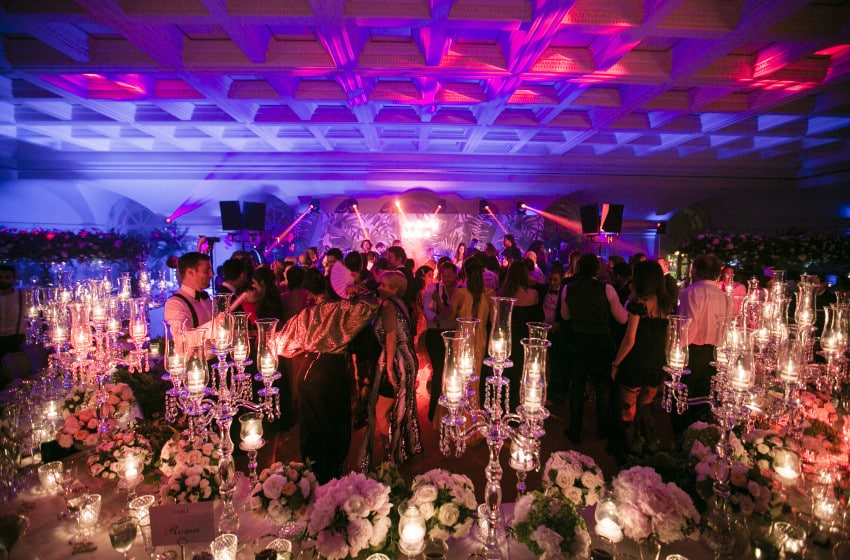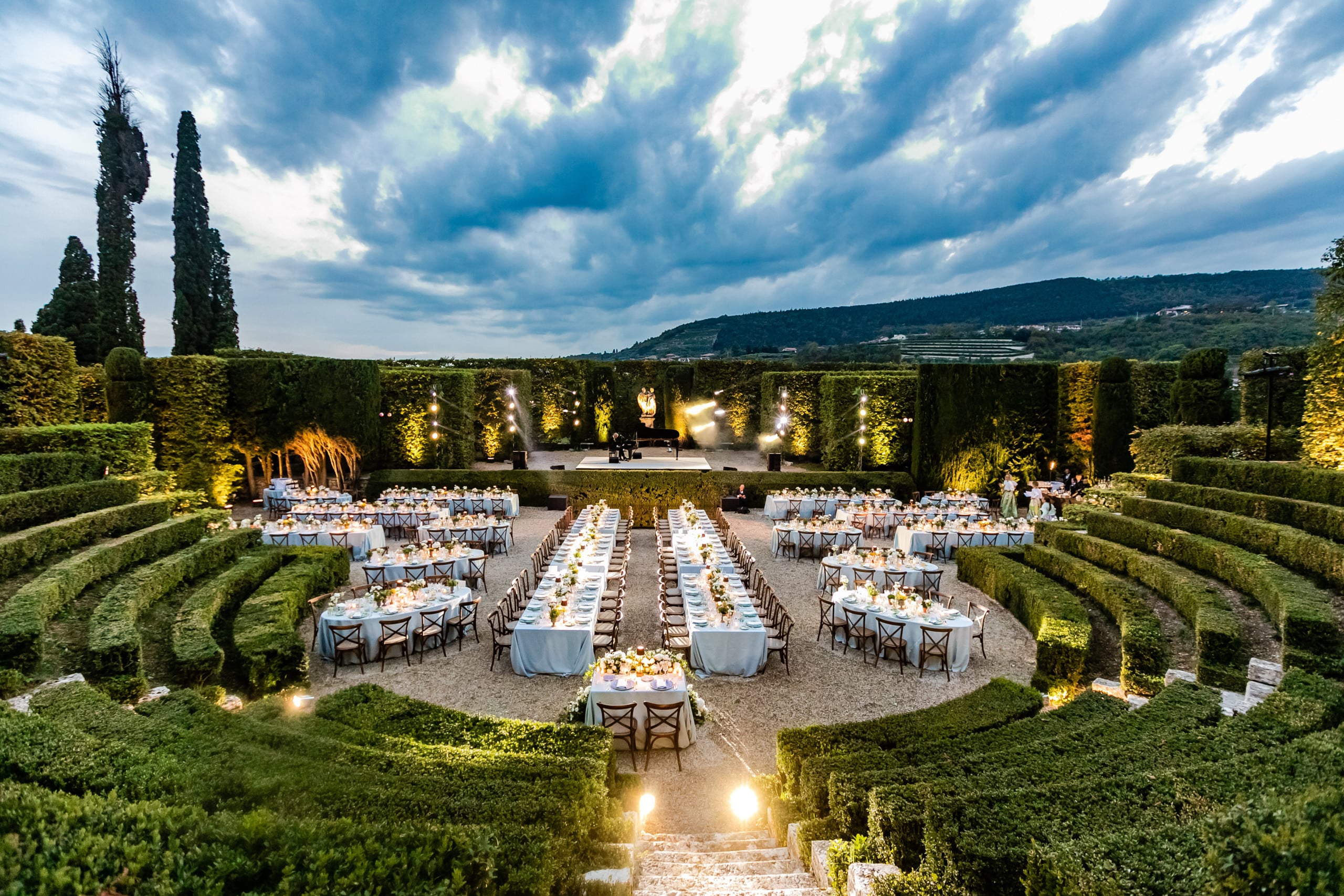
Why lighting design defines the atmosphere of a luxury wedding
A wedding can be beautifully decorated, set in an extraordinary villa and surrounded by the landscapes of Italy. Yet, as the sun disappears and the celebration moves into the evening, something else begins to define the experience. The light.
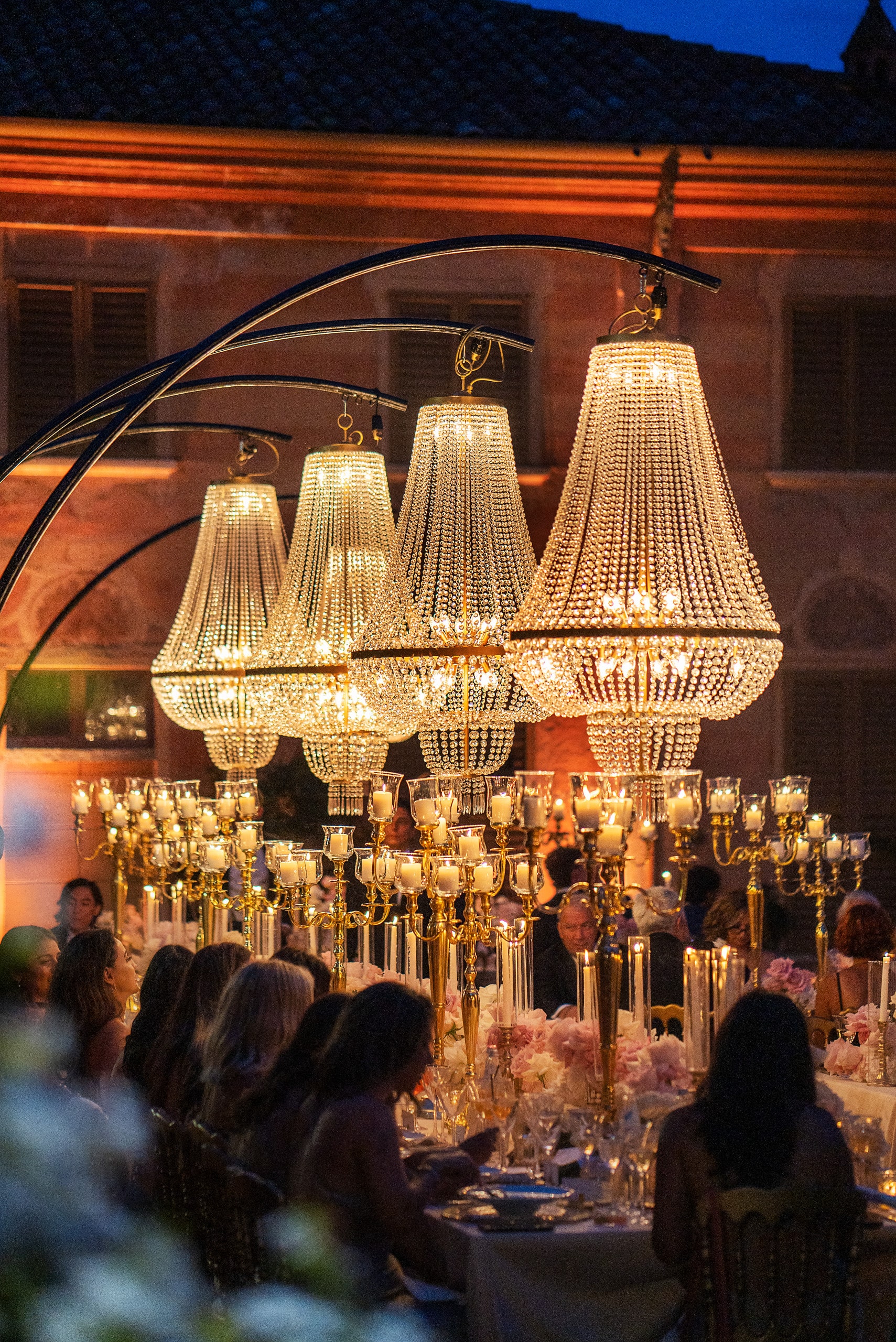
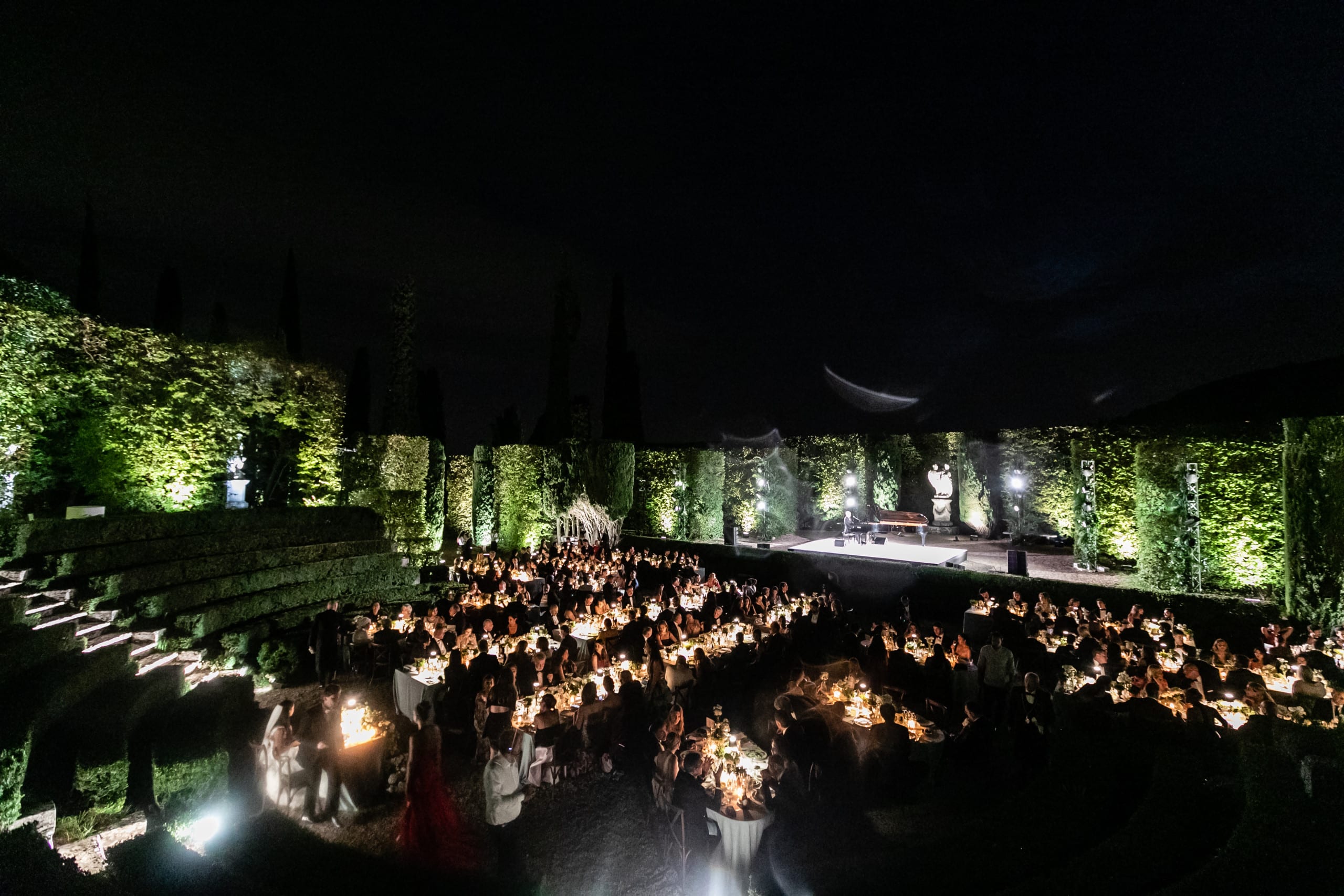
Not simply the chandeliers above the dinner table or the candles arranged along a long table. Lighting design for weddings is far more subtle than that. It is the invisible element that changes the perception of a space, directs attention, creates intimacy and gives rhythm to an evening.
In a truly sophisticated celebration, light is never an afterthought. It is part of the architecture of the experience.
At Infinity Weddings, the atmosphere of an event is considered as a whole: setting, music, entertainment, timing, décor and lighting are designed to work together, creating an experience that feels effortless to the guests while being meticulously orchestrated behind the scenes.
“Creating beautiful decor is just a starting point for me” says founder and creative director Sara Mazzei.
From there, the design evolves into a complete experience. Every element contributes to the atmosphere, and lighting connects what guests see with what they feel.
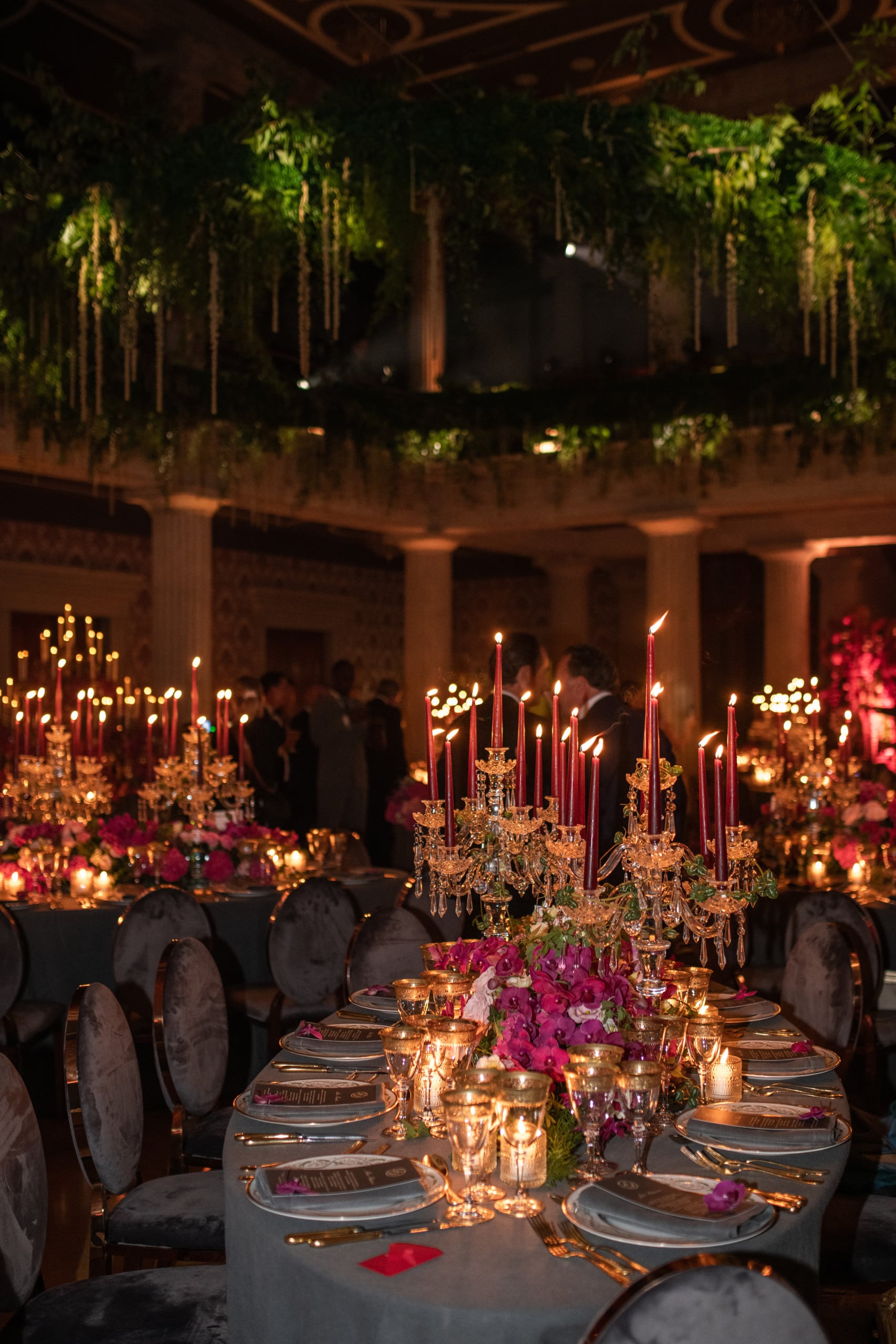
Light is what makes a space feel different
The same venue can tell completely different stories depending on how it is illuminated.
A historic Italian palazzo at sunset may feel open, grand and almost theatrical. A few hours later, with carefully positioned pools of warm light, it can become intimate and enveloping.
A garden can transform from a beautiful landscape into an atmospheric dining room beneath the stars. A terrace overlooking the sea can become quieter and more cinematic as the horizon disappears into darkness.
This is why luxury wedding lighting should never be considered simply decorative.
It changes the way guests experience architecture.
It defines what they notice first, where they naturally look, how close they feel to one another and even how the passage of time is perceived.
The most successful lighting is often the lighting guests never consciously notice. They simply feel that the atmosphere is right.
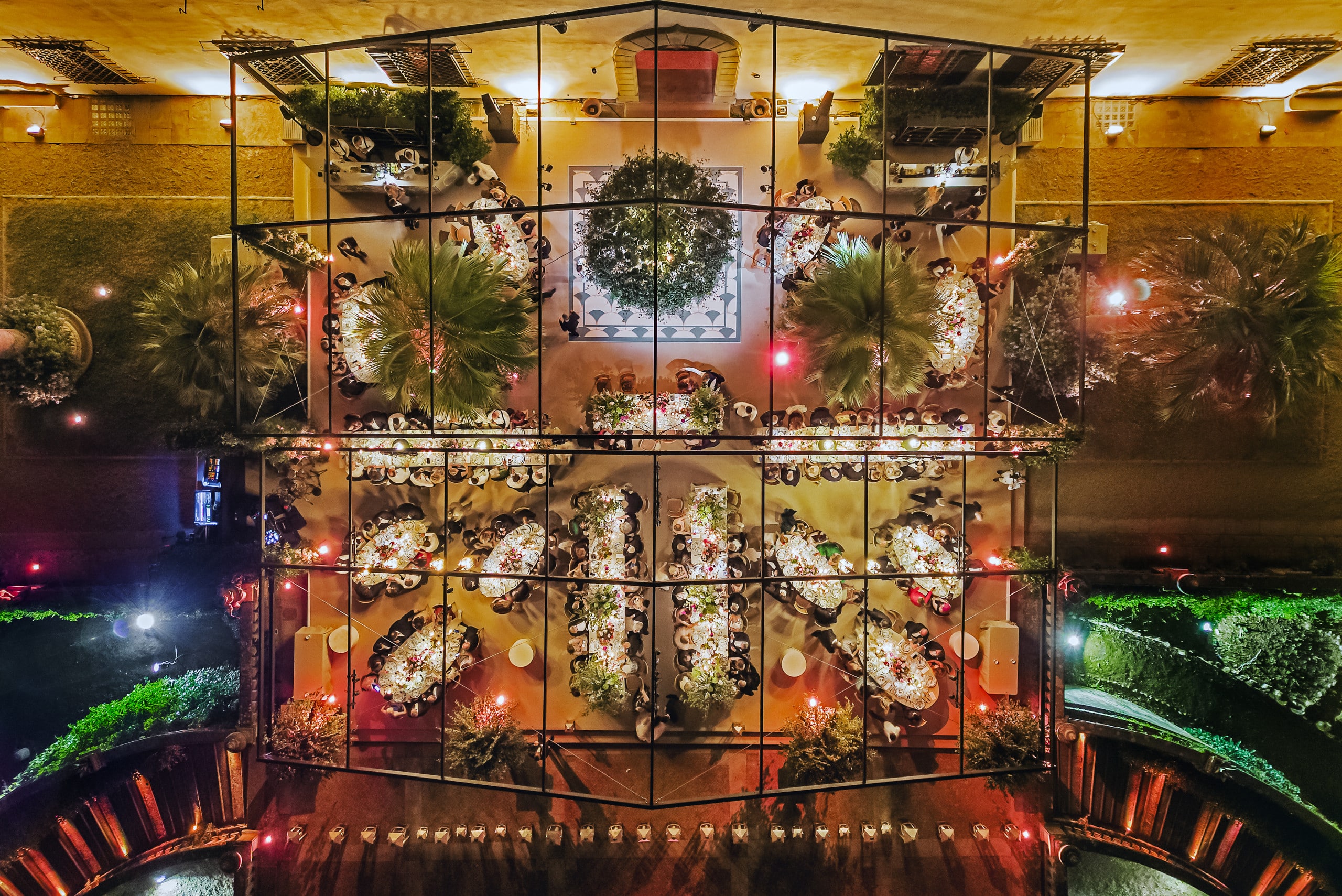
Begin with the architecture
Every venue calls for its own approach. A historic villa, a Mediterranean garden and a terrace overlooking the sea offer different proportions, textures and perspectives. Understanding these qualities is the first step towards creating a lighting design that feels natural to the setting.
Consider the imposing façade of an eighteenth-century villa in the Veronese countryside. Conventional uplighting, with uniform vertical bands of light, may illuminate the building without revealing its architectural richness. Columns, cornices, sculptures and decorative details deserve a more considered approach, with each light source positioned according to the architecture.
As Sara Mazzei explains, a façade of this kind deserves the same care as a monument in a great city, with a thoughtful study of where the light should come from and how it should fall.
The position, angle and spread of each light influence the final effect. Architectural features need to be considered individually, then brought together into a balanced composition that enhances the building without overwhelming it.
The same principle applies to outdoor settings. Carefully illuminated trees can give a garden depth, while stone walls introduce texture and discreetly lit pathways guide guests between different areas. The objective is not to illuminate everything, but to decide what deserves to be seen.
Italy offers extraordinary architectural settings: Renaissance villas, historic palaces, private estates, Mediterranean gardens, lakeside residences and ancient countryside hamlets. The lighting design should respond to each one.
A villa on Lake Como may call for a very restrained approach, allowing the lake and surrounding mountains to remain part of the composition. A Tuscan estate might benefit from discreet illumination of olive trees, stone walls and pathways, creating depth across the landscape.
On the Amalfi Coast, the natural drama of the coastline may already provide much of the visual impact. In such a setting, excessive lighting can actually diminish the experience.
The objective is not to illuminate everything. It is to know what deserves to be seen.
Infinity Weddings carefully selects venues according to the relationship between the setting, the couple’s vision and the flow of the event. Its approach to Italian venues is deliberately bespoke, with the location becoming part of the creative concept rather than simply providing a backdrop.
For couples beginning to explore destinations, a curated selection of luxury wedding venues in Italy can be the starting point for imagining how the entire celebration might unfold.
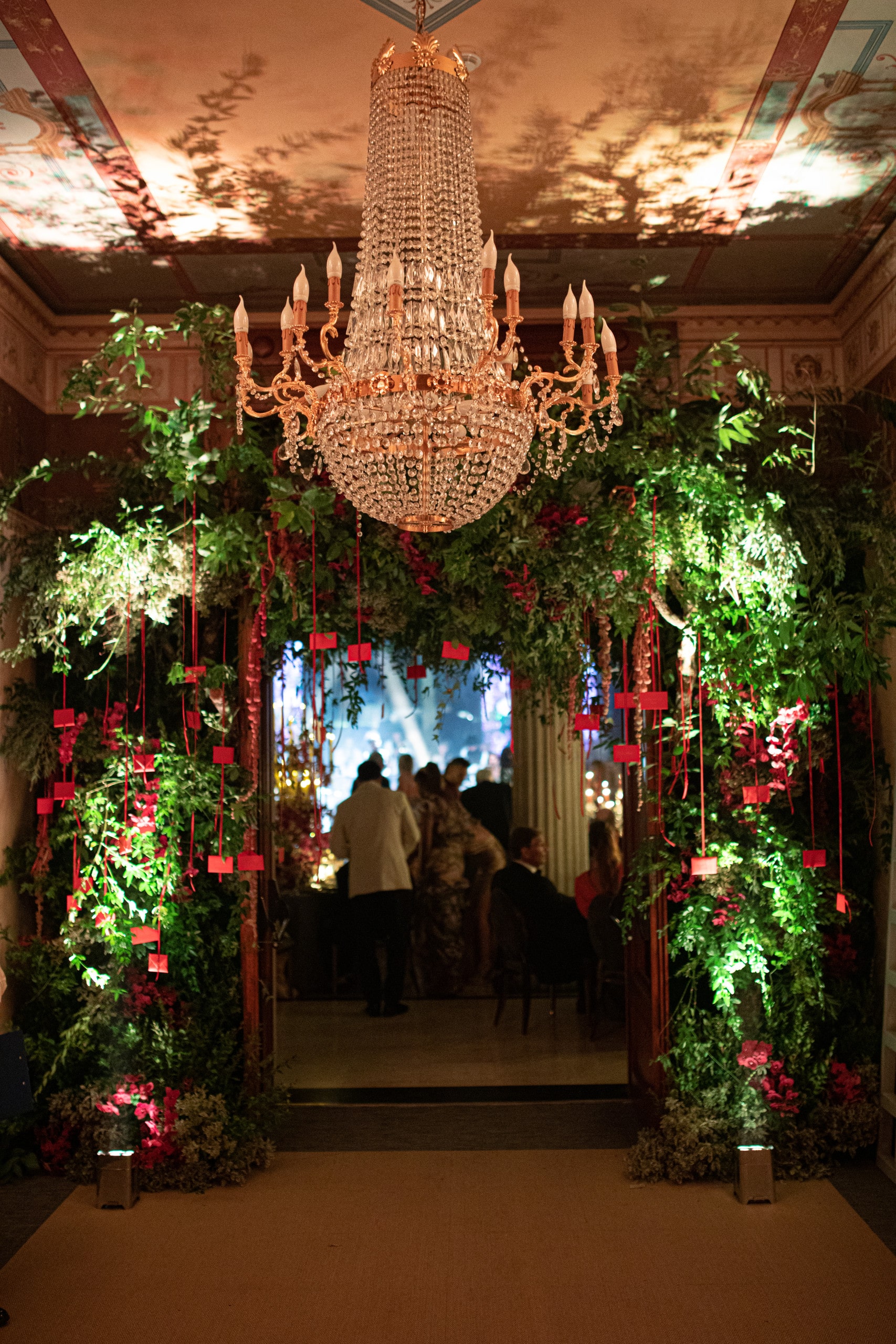
The art of designing the evening
A luxury wedding rarely has one atmosphere. It evolves.
The light used for a ceremony in the late afternoon should not be the same as the light surrounding dinner. And dinner itself should gradually transform as the evening moves towards dancing, cocktails and the after-party.
Lighting design for a luxury wedding is about anticipating these changes and making each transition feel natural, as though the atmosphere is evolving alongside the celebration.
From daylight to candlelight
The transition from day to night is one of the most beautiful moments to design.
Imagine an outdoor ceremony in a historic Italian garden, illuminated primarily by the natural light of late afternoon. As the ceremony ends, guests move towards aperitivo. The light becomes softer. Candles begin to appear. The architecture of the venue starts to emerge in a different way.
By dinner, the atmosphere has changed completely. This progression creates a sense of movement without requiring guests to consciously register that anything has happened.
An effective design considers when architectural lighting should become noticeable, how the dinner tables will feel after dark and what guests will see as they move from one space to another. When several moments take place in the same location, lighting can transform its character without the need for a complete change of setting.
A courtyard, for example, can feel elegant and welcoming during dinner before acquiring a completely different energy as the party begins.
These transitions depend on careful coordination. The lighting team, musicians, entertainers and catering staff need to work towards the same rhythm, with clear timings and an understanding of how each moment leads into the next.
It is one of the details that distinguishes an exclusive destination wedding in Italy from a beautiful event that simply takes place in a beautiful location.
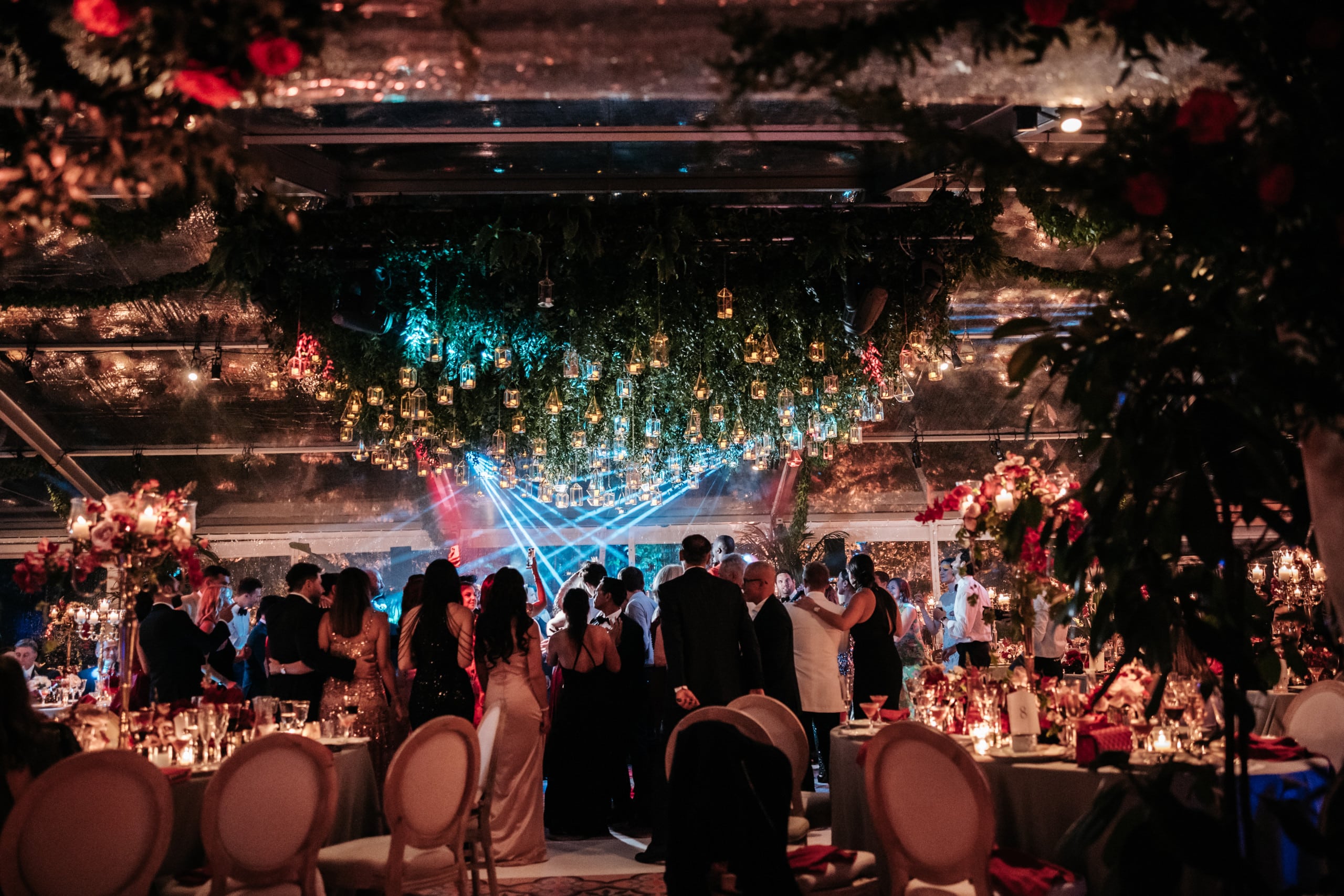
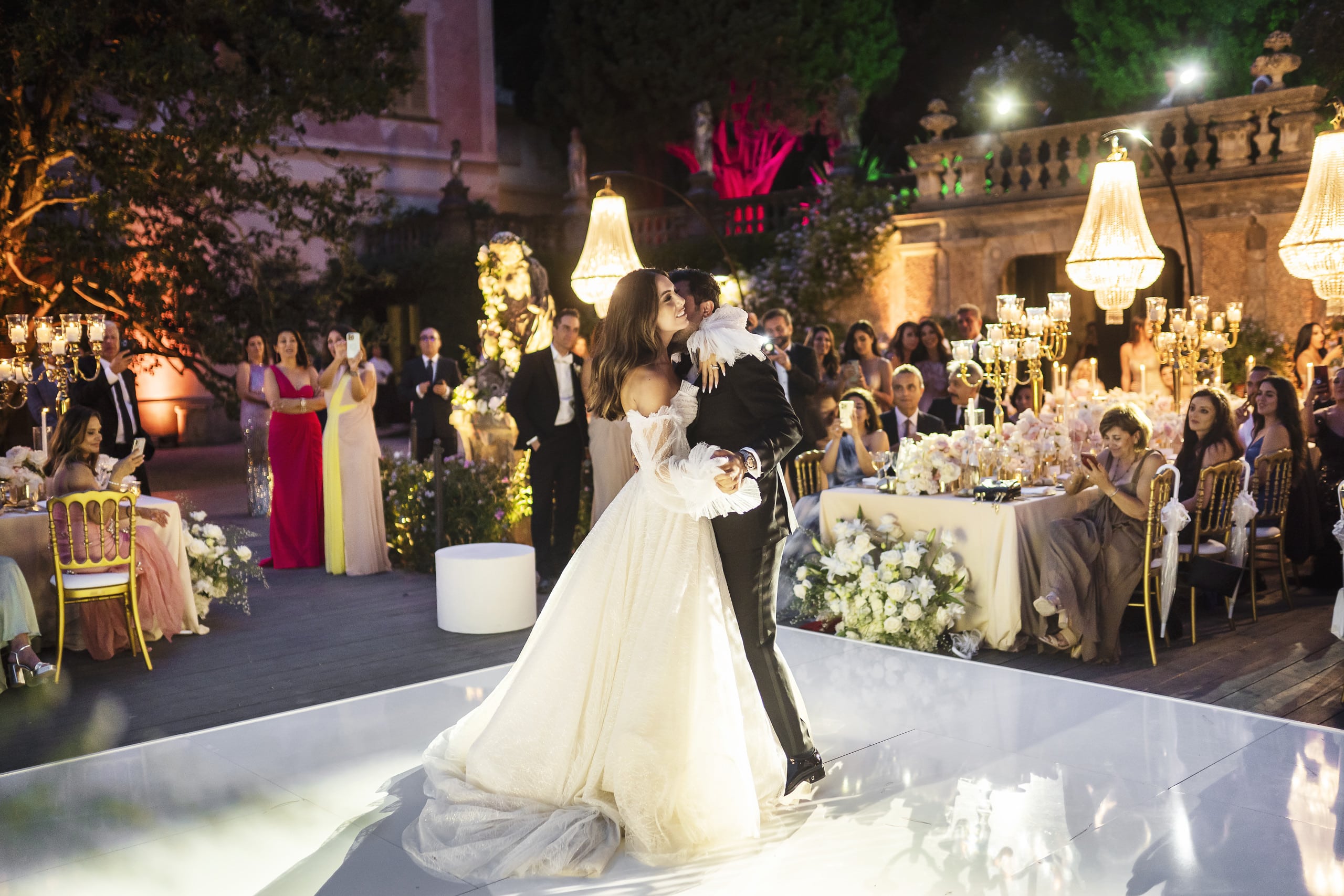
Lighting should belong to the venue
The most sophisticated lighting design does not compete with a venue’s character. It reveals it.
A historic villa should retain its architectural identity. A Mediterranean garden should feel connected to the surrounding landscape. A terrace overlooking the sea should preserve the sense of openness that makes it special.
This requires a selective approach. Rather than flooding an entire space with light, the design focuses on specific architectural details, natural features and areas where guests gather.
Shadows are just as important as highlights. Allowing certain areas to remain softly illuminated creates contrast, depth and a sense of intimacy. The result feels considered rather than theatrical for its own sake.
This principle extends to the practical experience of the venue. Pathways should be easy to navigate, entrances clearly visible and steps sufficiently illuminated, all without disrupting the atmosphere. The most successful solutions integrate these requirements discreetly into the overall design.
For Infinity Weddings, the aim is to create a relationship between architecture, lighting and the guest experience in which every element feels as though it belongs exactly where it is.
Creating intimacy without losing grandeur
Luxury does not always mean more.
A large dinner beneath a historic ceiling can feel surprisingly intimate when the surrounding space is allowed to fall gently into shadow. A long table illuminated with warm, low-level light can encourage conversation and make hundreds of guests feel as though they are part of one gathering.
This is particularly important for international weddings, where families and friends may have travelled from different parts of the world to be together.
The setting should feel impressive, certainly. But it should also feel welcoming. This balance between grandeur and intimacy is one of the foundations of luxury wedding design.
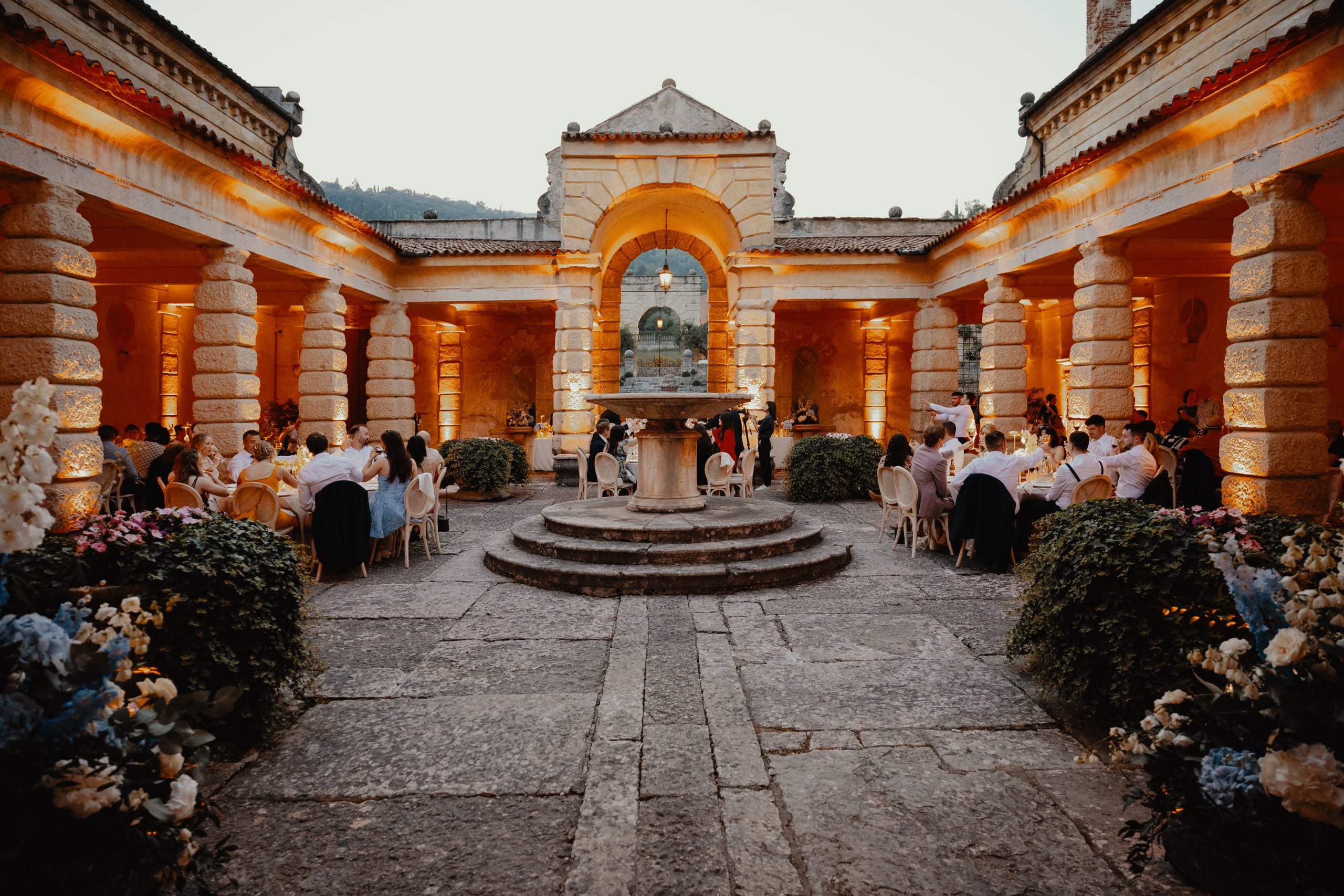
The details of candlelight
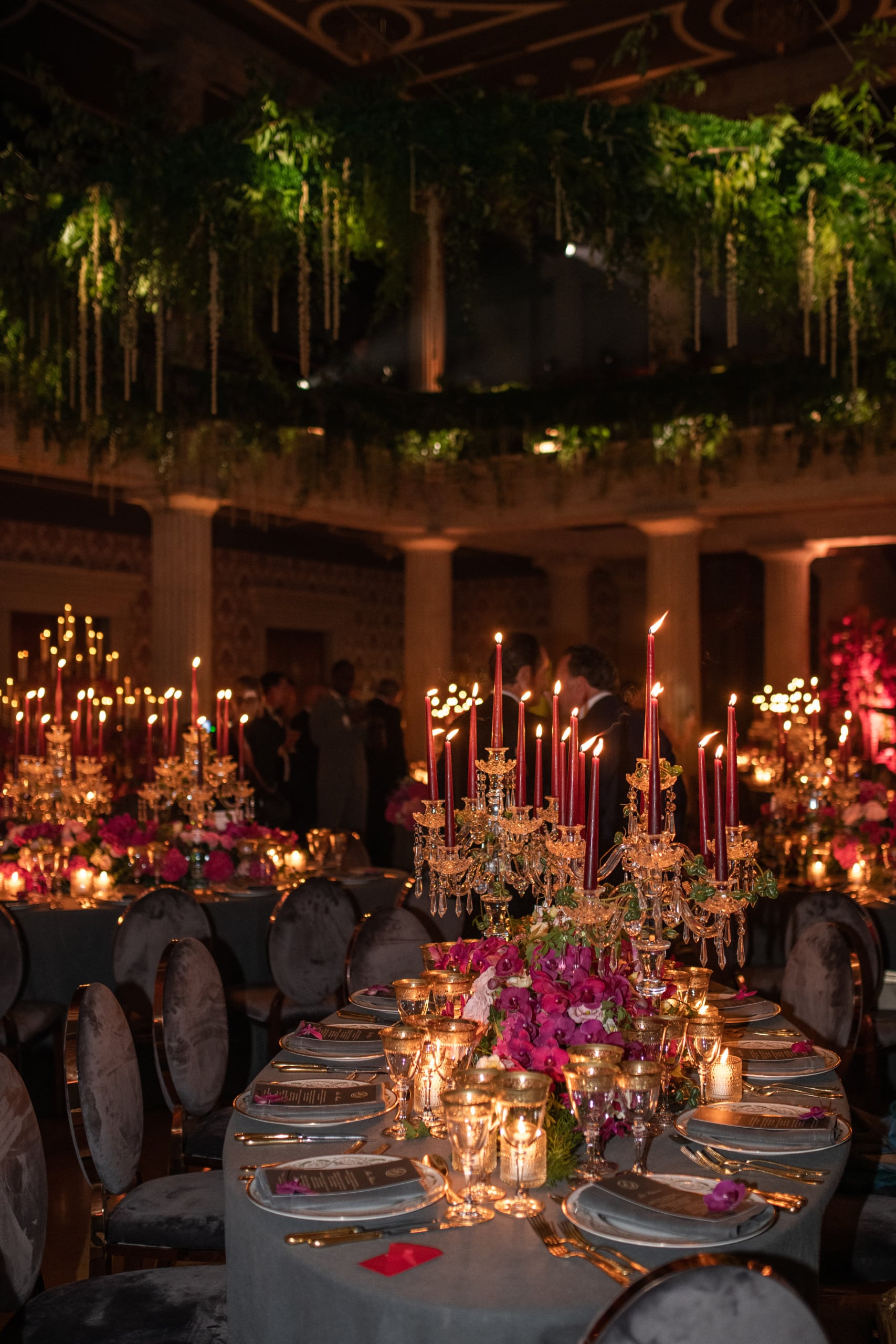
Candlelight contributes warmth and movement, but its effect depends on the surrounding illumination. Too much ambient light can make candles disappear, while too little can leave guests struggling to see their food or one another comfortably.
The balance needs to be assessed within the actual setting. Glassware, reflective surfaces, floral arrangements and the height of candleholders all influence how light travels across a table.
Warm illumination around the tables, flattering light on guests’ faces and carefully chosen focal points can make even a grand setting feel personal. Guests should be able to appreciate the food, enjoy the table design and settle into conversation without feeling that the lighting is designed solely for photographs.
A successful design considers the experience from a seated guest’s perspective as carefully as it considers the overall composition of the room.
This is where the smallest decisions can make a considerable difference. The height of a light source, the position of a candle or the balance between a softly illuminated table and a darker background can shape the entire dining experience.
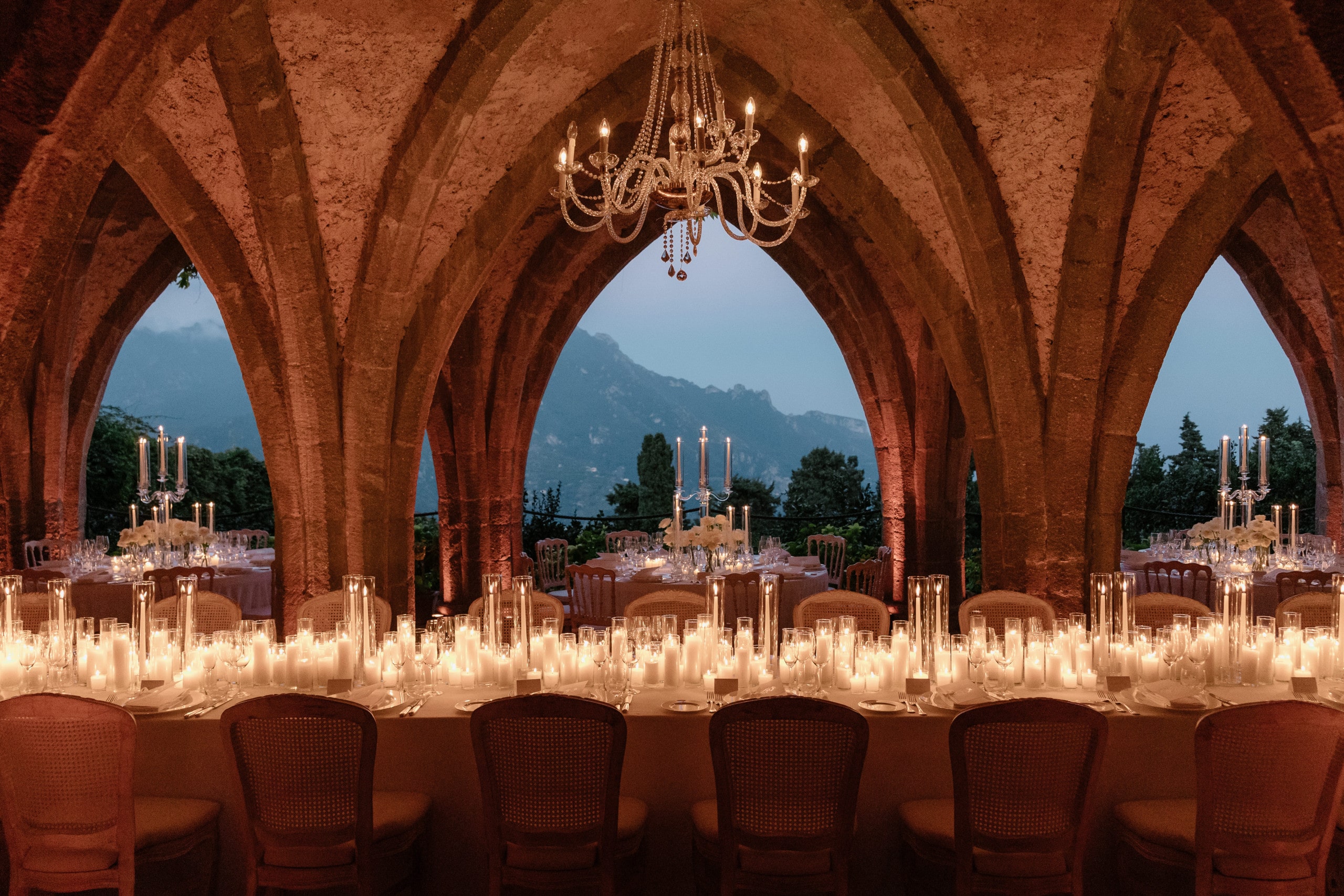
Light as part of the guest experience
For a destination wedding, guests are not simply attending a ceremony and reception. They are living an experience.
They may spend several days together, moving between welcome dinners, excursions, ceremonies, receptions and farewell celebrations. Each moment has its own identity, and lighting can help distinguish one chapter from the next.
A welcome dinner might feel relaxed and warm, perhaps inspired by the Italian landscape surrounding it.
The wedding reception can become more sophisticated, with architectural lighting framing the dinner setting.
Later, the atmosphere can shift again: deeper tones, moving light and a more dynamic environment accompanying the transition towards dancing and entertainment.
This is where multi-day wedding experiences in Italy become particularly interesting. Lighting becomes one of the tools used to create continuity while giving every celebration its own emotional character.
Rather than repeating the same visual language throughout the entire programme, each event can have a distinct atmosphere while remaining part of a coherent creative direction.
Holding certain ideas back for a later evening can make them more effective. A relaxed welcome dinner leaves room for a more dramatic reception, while a party with stronger colours and dynamic lighting can introduce an entirely new energy.
Guests continue to discover different sides of the celebration, and the experience evolves throughout their stay.
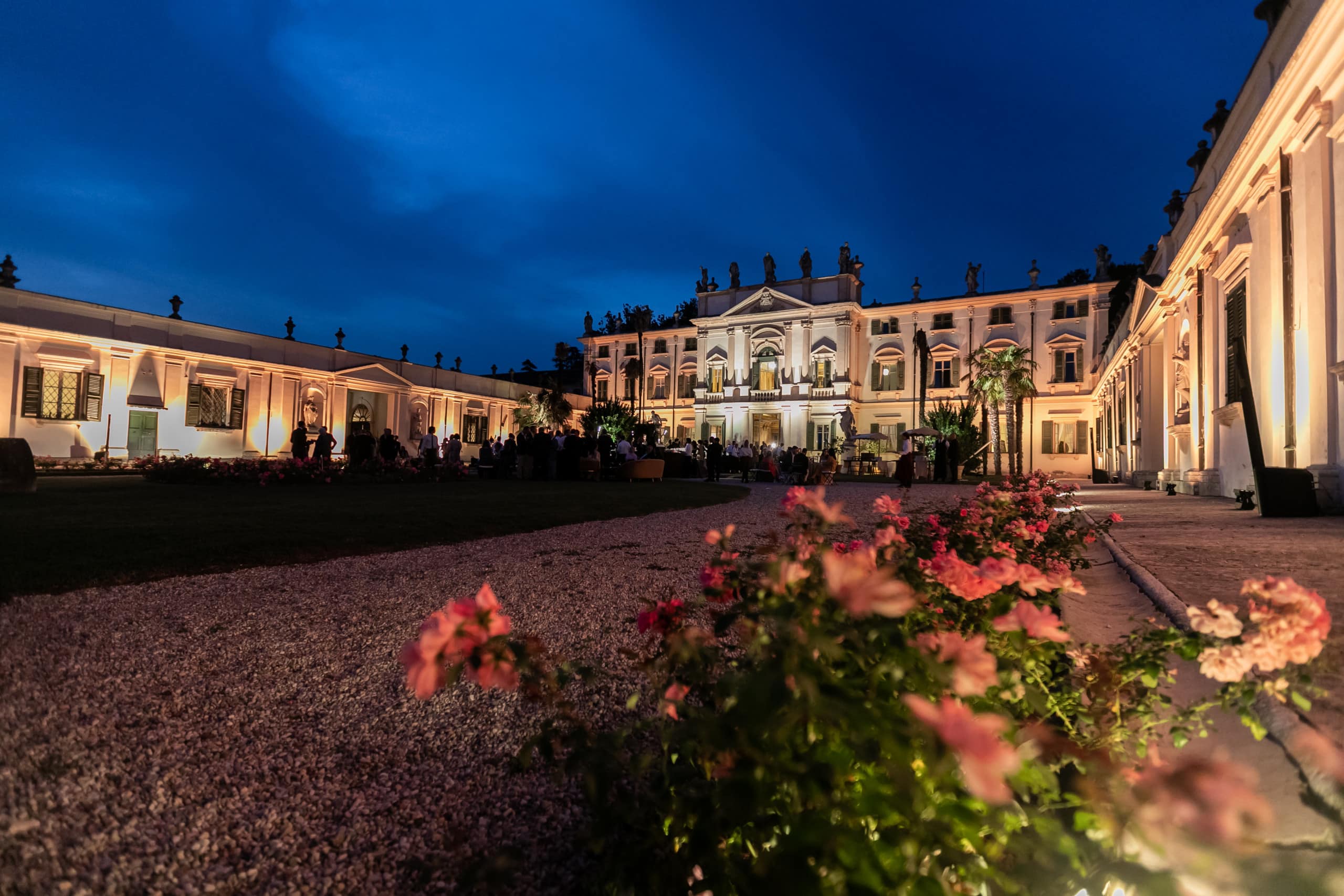
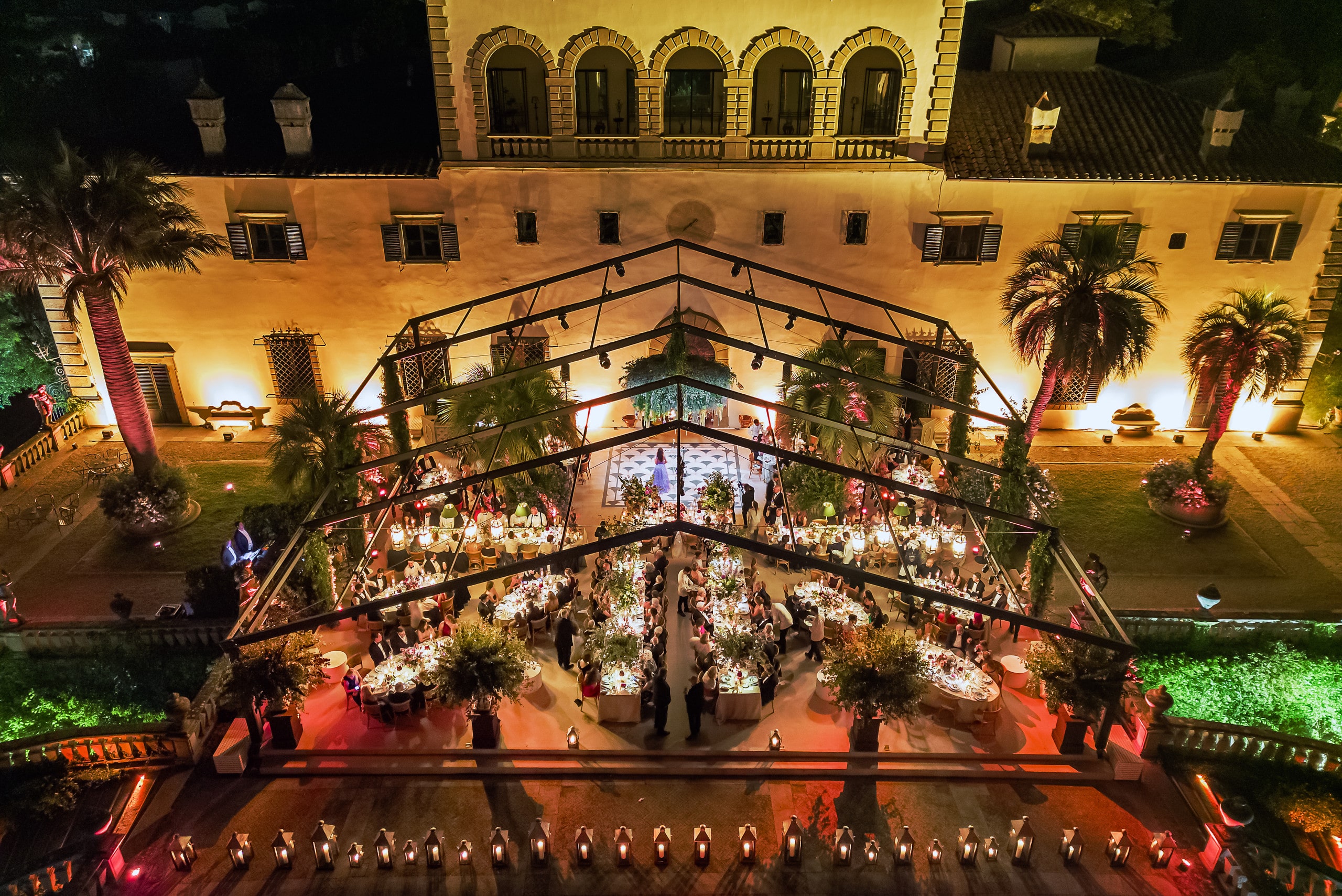
Give the after-dinner party its own identity
The transition from dinner to dancing is one of the defining moments of an evening. It deserves a creative approach that reflects the couple, the setting and the energy they want to share with their guests.
For Sara Mazzei, this means looking beyond familiar production arrangements. Rather than relying on exposed lighting trusses and spotlights throughout the room, the aim is to explore new ways of combining light, space and music.
Every year, Sara visits some of the world’s most renowned clubs to understand how they use lighting to shape a room, influence the energy of a crowd and create a stronger relationship between sound and visual experience. This ongoing research informs Infinity Weddings’ approach to luxury wedding party lighting, bringing contemporary ideas into celebrations without losing sight of their individual character.
The architecture, scale of the party and musical direction determine which techniques are appropriate for each space. Equipment placement is part of the creative process, ensuring that the production feels integrated and the visual focus remains on the celebration itself.
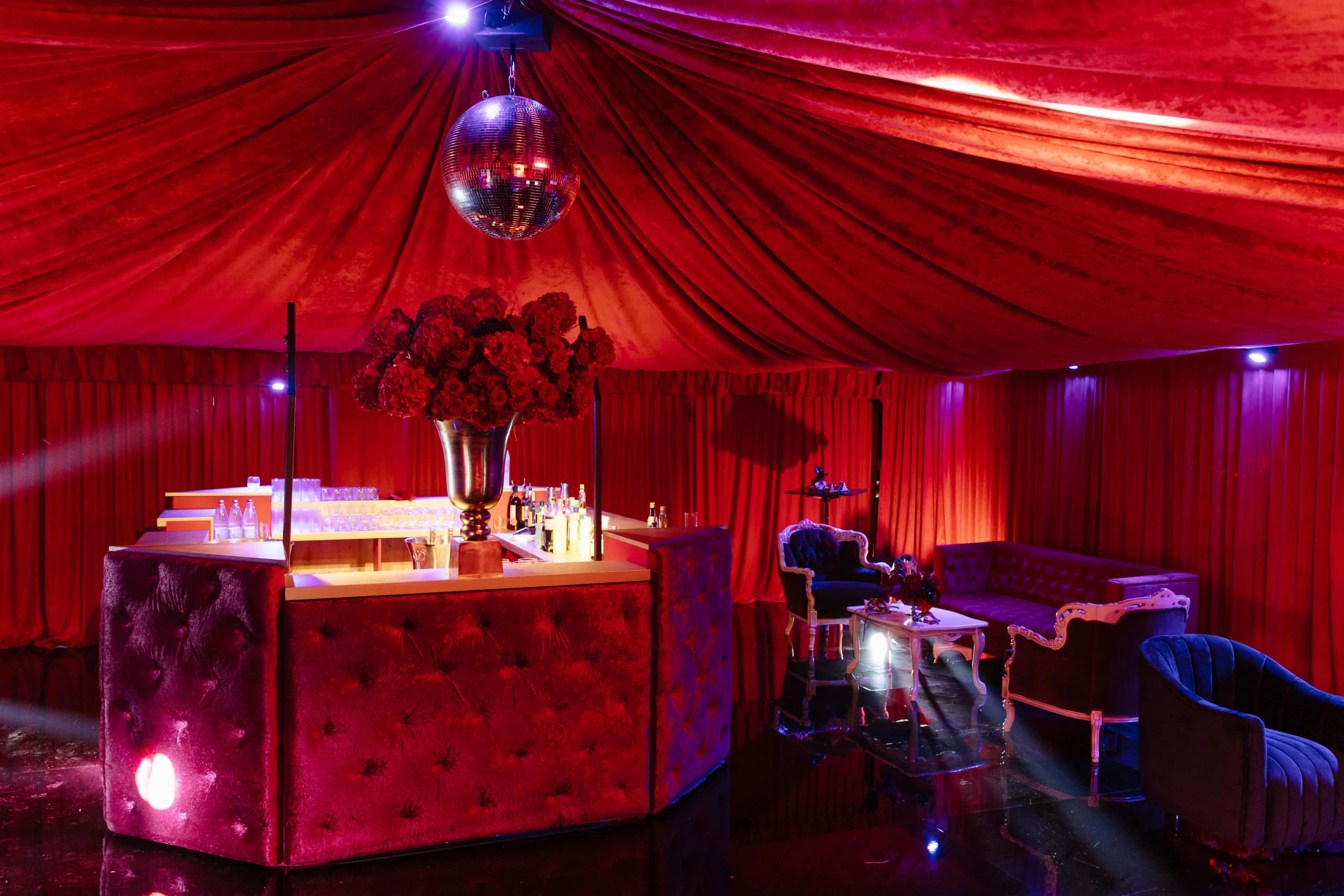
A change in colour, a carefully timed lighting cue or a new perspective on the dance floor can give the party a distinct identity.
The transition does not necessarily need to be dramatic to be effective. Sometimes, a subtle shift in colour temperature or intensity is enough to signal that the evening has entered a new phase. In other cases, a more pronounced change can transform a familiar courtyard or reception room into an entirely different environment.
What matters is that the lighting supports the energy of the moment, responding to the music and the guests rather than functioning as a separate spectacle.
When lighting, music and entertainment are conceived as parts of the same experience, the result feels more cohesive, immersive and personal.
Make room for surprise
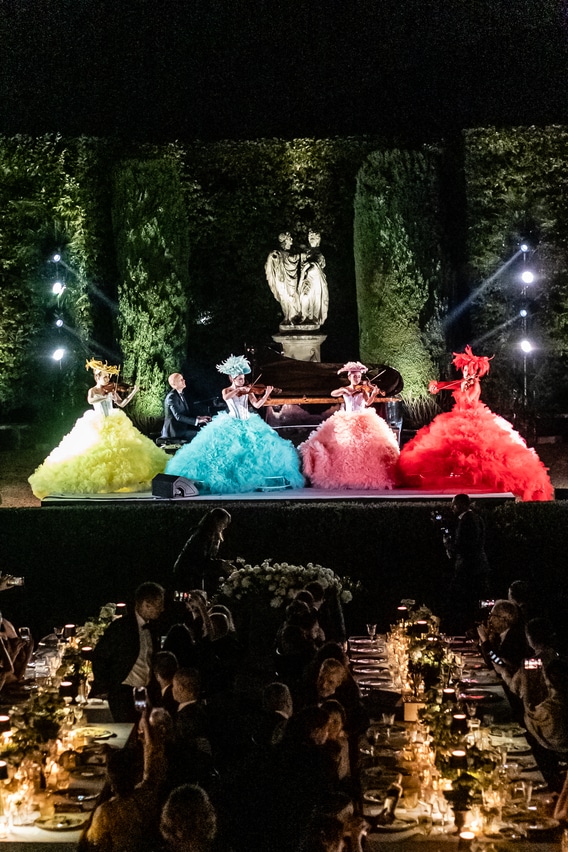
“For every event, I have a specific goal… the surprise of the guests,” Sara explains.
Lighting can create that surprise through a reveal: a garden discovered after dinner, a façade emerging as the sky darkens, or a party space that guests encounter for the first time.
These moments depend on timing as much as design. Guests need to be in the right place to appreciate the reveal, and the lighting needs to work with the music, the movement of people and the activity taking place around it.
A change in atmosphere can be particularly effective when guests have no reason to anticipate it. A softly illuminated path might lead to a hidden garden, while a courtyard that appeared understated earlier in the evening can reveal its architectural details after dark.
The same principle applies to performances and other key moments. A performance requires visual focus, a reveal needs a clear view, and a change in atmosphere needs room to develop.
That is why these elements should be planned together from the beginning. The most memorable surprises rarely depend on adding more effects. They come from understanding precisely when to introduce something new and how to make the moment feel effortless.
The details guests remember
People rarely remember every individual design decision. They remember how they felt.
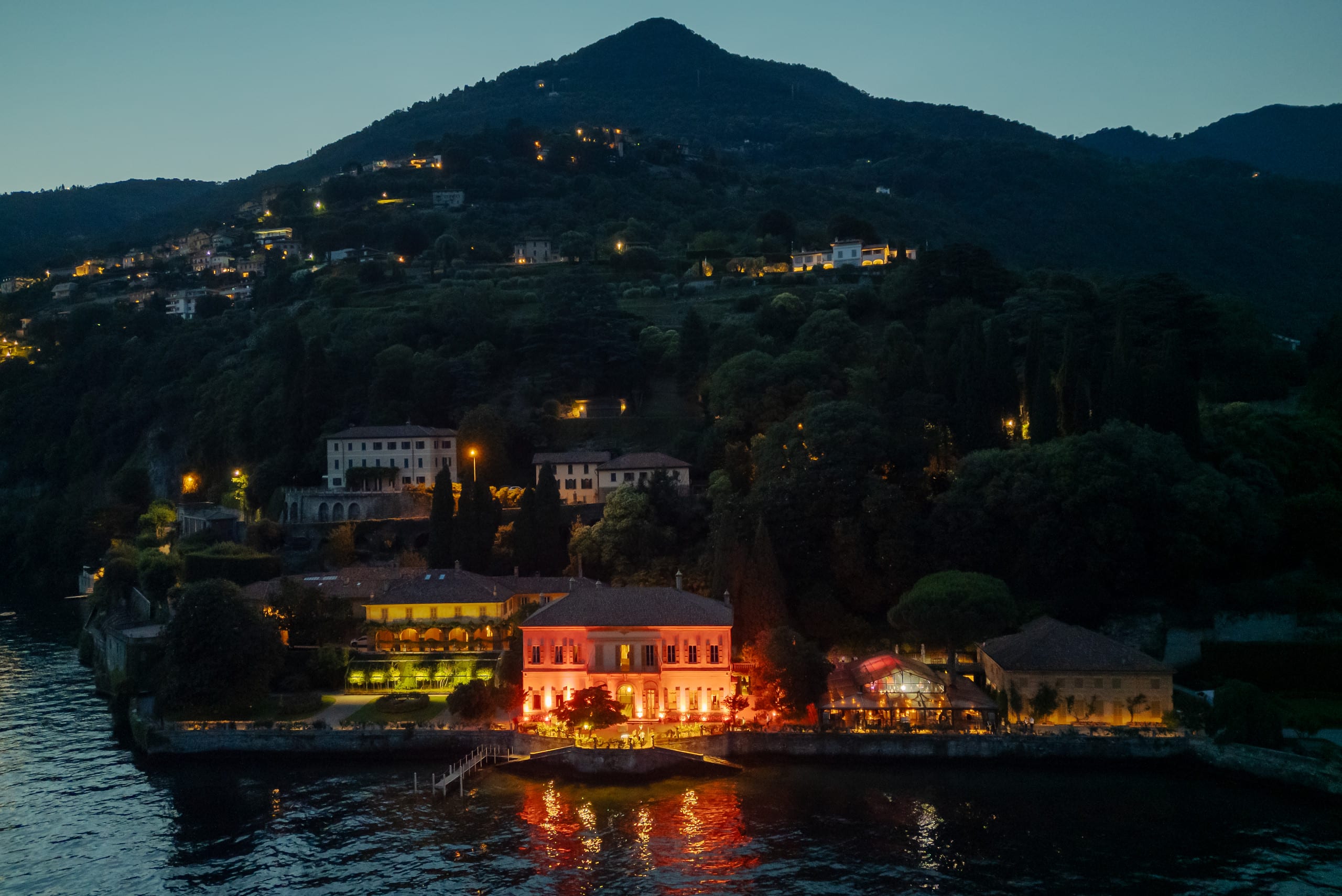
They remember arriving at a villa at dusk and seeing it glowing softly against the landscape. They remember the warmth of candlelight around the dinner table. They remember the first dance when the rest of the room seemed to disappear.
They remember walking through a garden illuminated only enough to reveal the path ahead. They remember the atmosphere.
This is why lighting belongs to the emotional architecture of a wedding.
The importance of restraint
Sophisticated wedding lighting design is often defined by restraint. Too much light flattens a space. Too many effects compete with the architecture, the flowers, the table design and, ultimately, the people.
The most refined approach is selective. Highlight the details that matter. Allow other elements to remain in the background. Create shadows as deliberately as highlights. Let the architecture breathe.
In a luxury celebration, every visual element should have a reason for being there.
Restraint also means understanding the difference between a beautiful visual effect and a meaningful experience. A room can be spectacular without being comfortable, just as a dramatic photograph does not necessarily convey what it felt like to spend an evening there.
The right lighting creates an environment that works on every level: visually balanced, comfortable for guests and consistent with the couple’s vision.
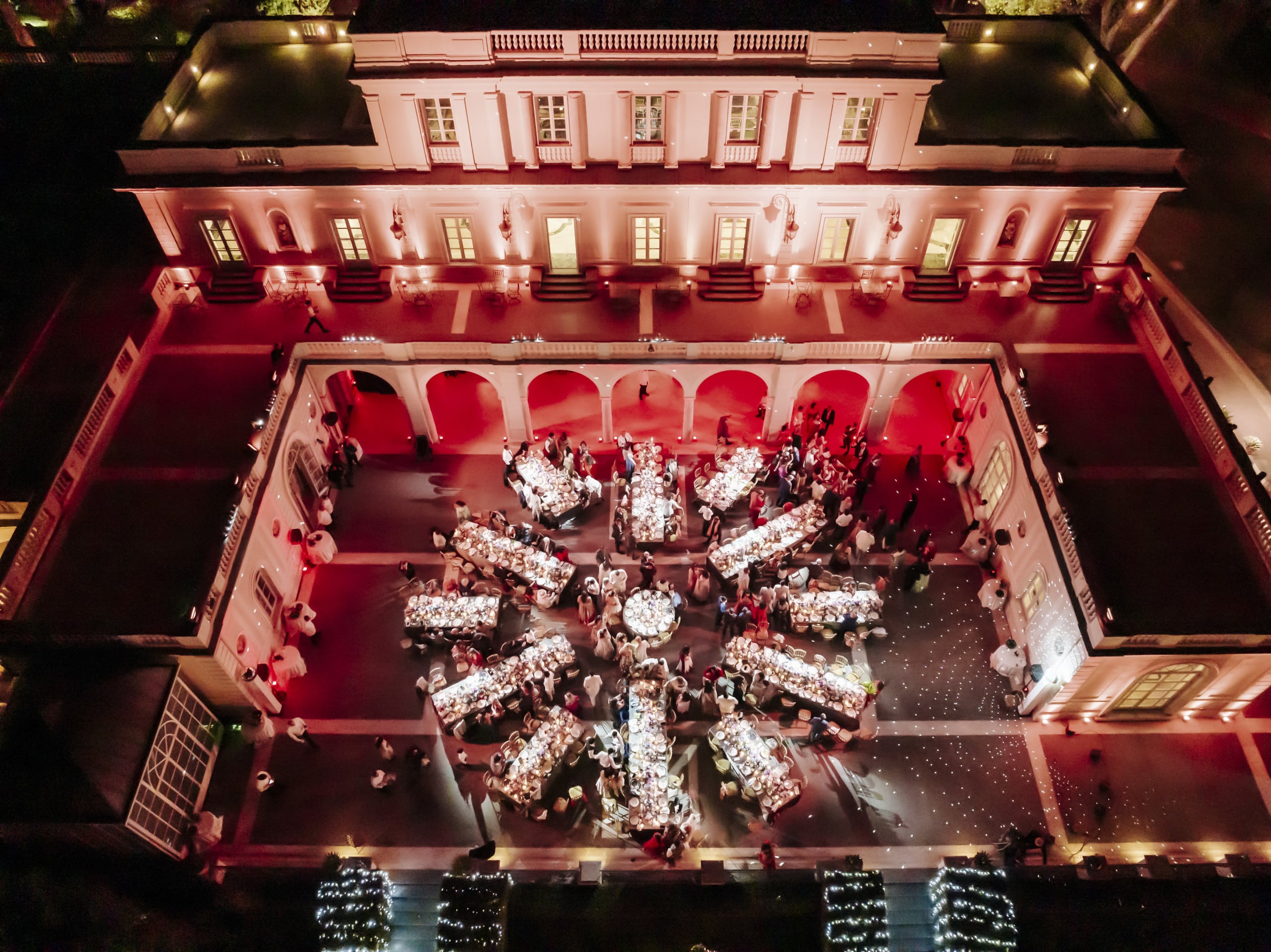
When lighting, music and entertainment become one experience
The most memorable wedding environments are rarely created by one element alone.
Lighting can respond to music. Music can influence the pace of dinner. Entertainment can change the energy of the room. The transition from dinner to dancing can be choreographed through sound, movement and light.
The result is not a collection of individual effects. It is a sequence.
Infinity Weddings approaches each event as a complete experience, coordinating music, entertainment, lighting, food and timing according to the atmosphere the couple wants to create.
This coordination is particularly important when the celebration moves between different spaces or when several key moments need to unfold within a carefully planned schedule. The lighting team and other suppliers need to understand not only their individual responsibilities, but also how their work contributes to the overall experience.
For international couples, this level of orchestration is particularly valuable. It means that the celebration can feel spontaneous and effortless to the guests, while every transition has been considered in advance.
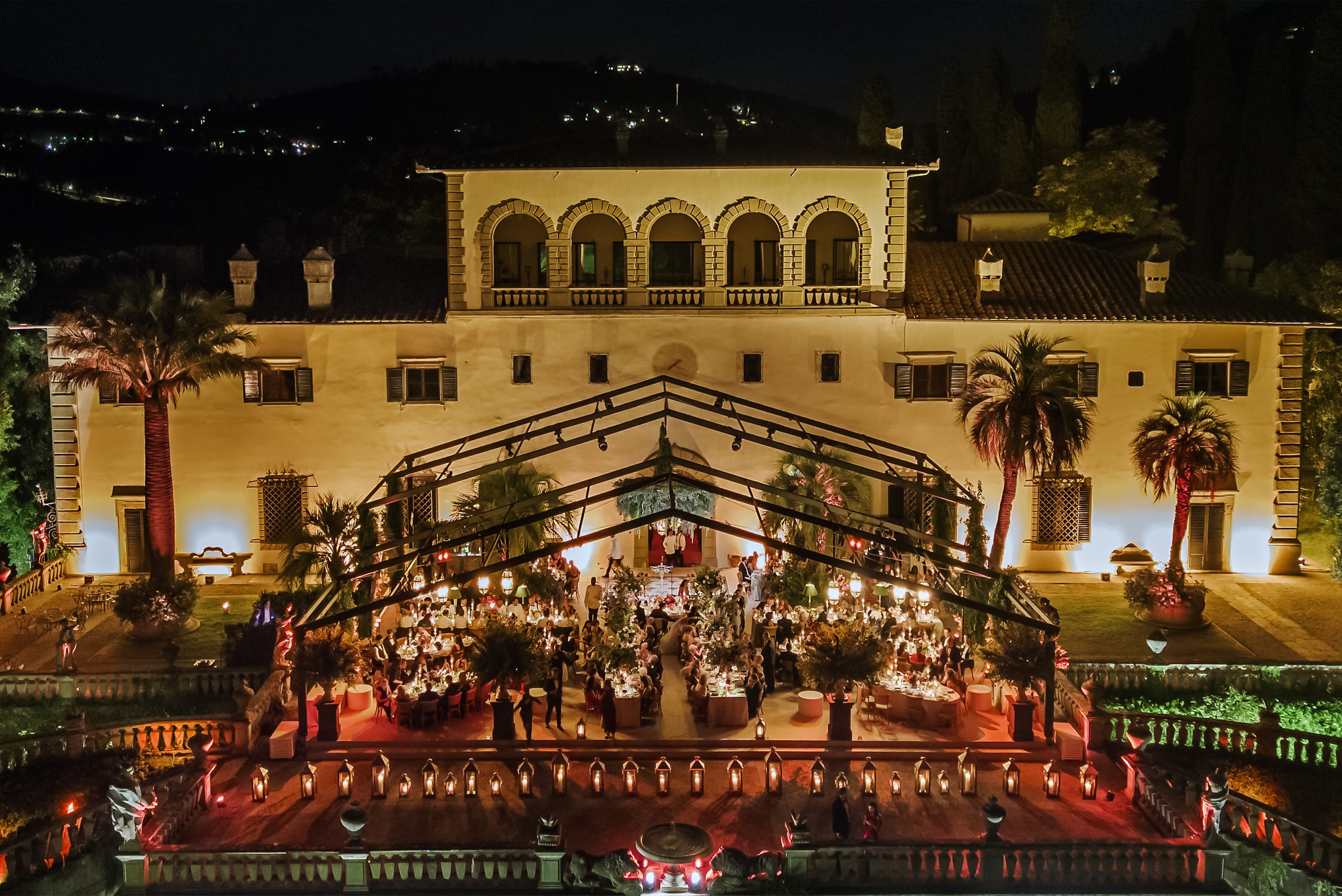
Plan lighting from the beginning
The freedom to create distinctive lighting experiences depends on early planning. Power supply, installation access, fixture positions, sunset times and the practical requirements of the venue all influence the design. Addressing these considerations early allows lighting to be integrated discreetly into the setting and gives the production team time to refine the result.
The venue itself plays an essential role in these decisions. Architectural features, outdoor areas, existing infrastructure and the movement of guests all affect where equipment can be positioned and how the space can be illuminated.
The timing of the celebration matters, too. The natural light available during the ceremony, the moment sunset occurs and the transition into dinner all influence when different lighting elements should become visible.
Early planning also ensures that practical details receive the same attention as the dramatic ones: comfortable light for dining, clear routes between spaces and well-lit steps and entrances.
For multi-day celebrations, considering the entire programme from the outset makes it possible to create distinct atmospheres for each event while maintaining a coherent creative direction.
For Infinity Weddings, lighting is not an isolated technical decision made shortly before the wedding. It is part of the wider design process, considered alongside the venue, décor, music, entertainment and guest journey.
The quiet luxury of getting the atmosphere exactly right
There is a particular kind of luxury that does not announce itself. It is the feeling of entering a room and immediately sensing that everything is exactly where it should be.
The light is flattering. The architecture feels enhanced rather than transformed. The dinner table glows without appearing artificially illuminated. The garden seems almost magical, yet nothing feels excessive.
That is the role of lighting design for a luxury wedding at its most sophisticated. Not spectacle for spectacle’s sake. Instead, an atmosphere carefully shaped around the couple, the location and the people they have chosen to bring together.
Every decision contributes to this balance. The placement of a light, the intensity of a candle, the way a façade emerges from the darkness or the moment a party space changes character all help define how the celebration feels.
When these details are considered together, lighting becomes more than a decorative layer. It becomes a way of expressing the identity of the wedding and making the experience feel unmistakably personal.
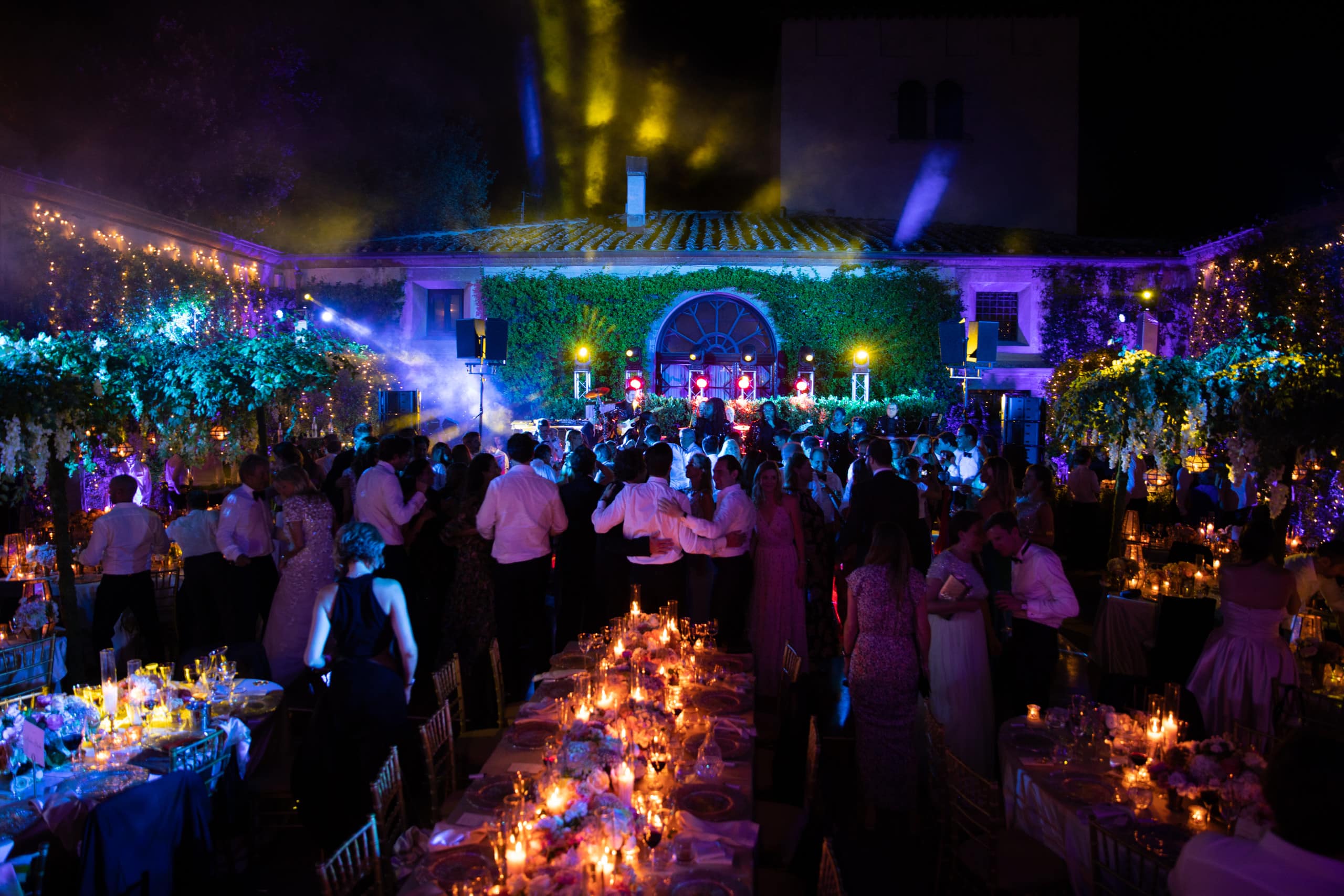
A wedding designed to be remembered, not simply photographed
Photography will capture the visual details of a wedding. But photographs alone cannot reproduce the sensation of being there.
The warmth of a candlelit dinner, the changing colour of the sky above a Tuscan estate, the reflection of lights across Lake Como, the sudden transformation of a historic courtyard after dark.
These are not simply visual details. They are moments experienced in real time, shaped by the relationship between the setting, the people and the atmosphere around them.
When lighting is designed with the same care as the venue, décor and entertainment, it becomes part of the story guests take home with them.
The final layer of the experience
A truly exceptional wedding is not defined by how many elements it contains. It is defined by how naturally those elements belong together.
For this reason, lighting design should be considered from the earliest stages of planning. It should respond to the architecture, the landscape, the season, the guest journey and the rhythm of the celebration.
Because when the right light meets the right place at the right moment, something happens that cannot be achieved through décor alone.
The venue becomes an atmosphere, the evening acquires a rhythm. And for a few unforgettable hours, the entire celebration feels as though it could exist nowhere else.