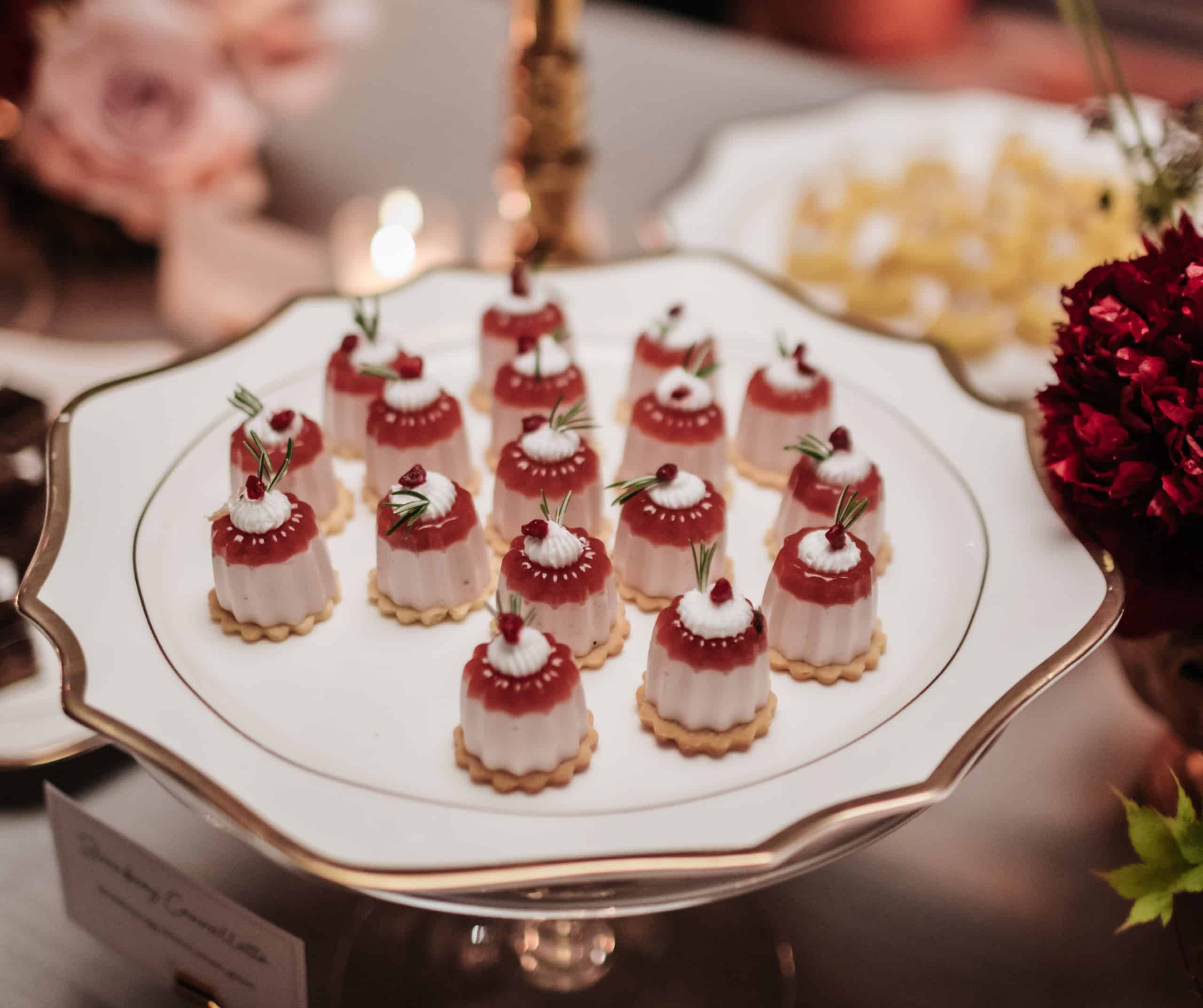
The importance of food at a luxury wedding: Sara Mazzei’s perspective
Exceptional ingredients, thoughtful service and a continuously evolving knowledge of food and wine. For Infinity Weddings, the dining experience is one of the first considerations when planning a wedding.
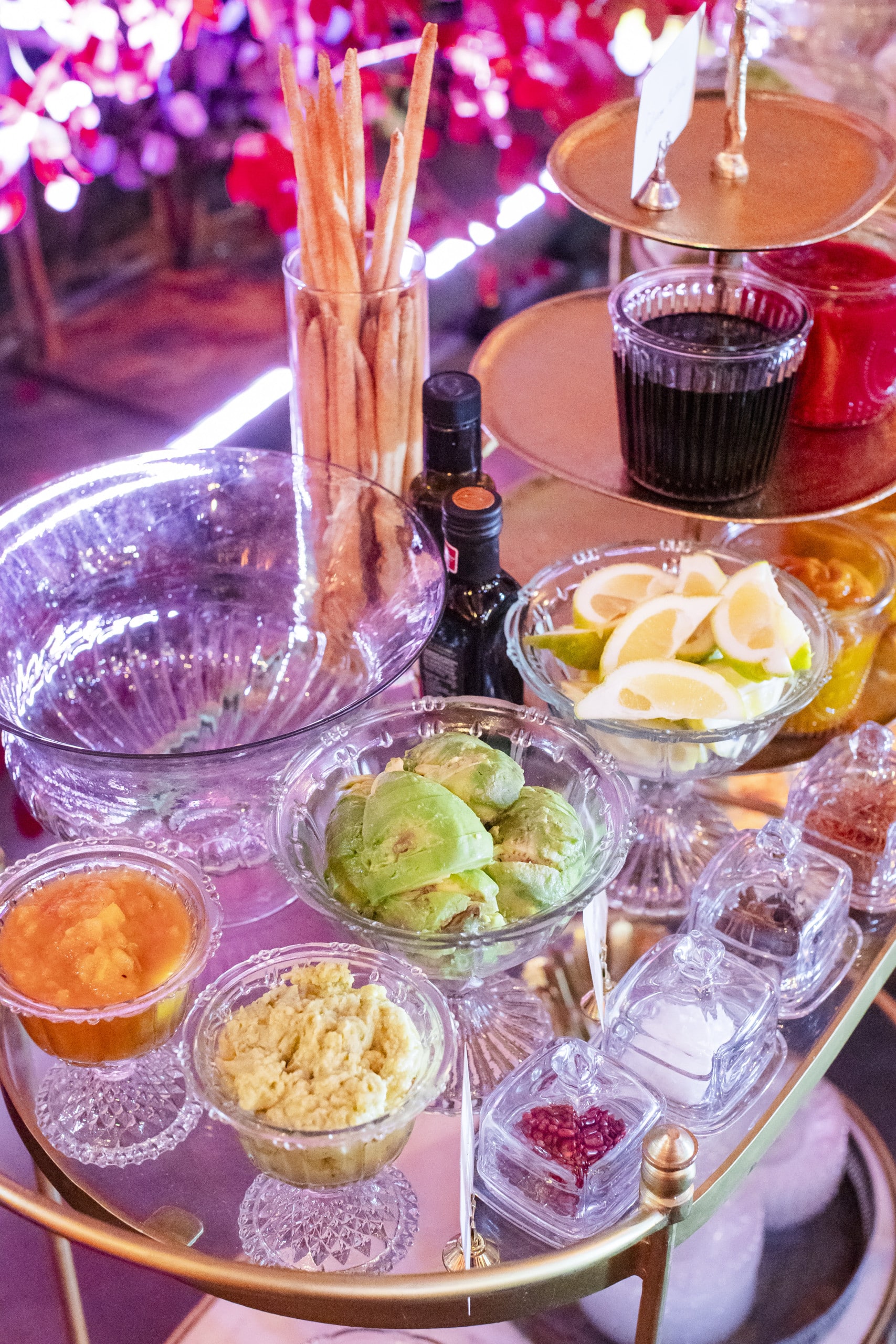
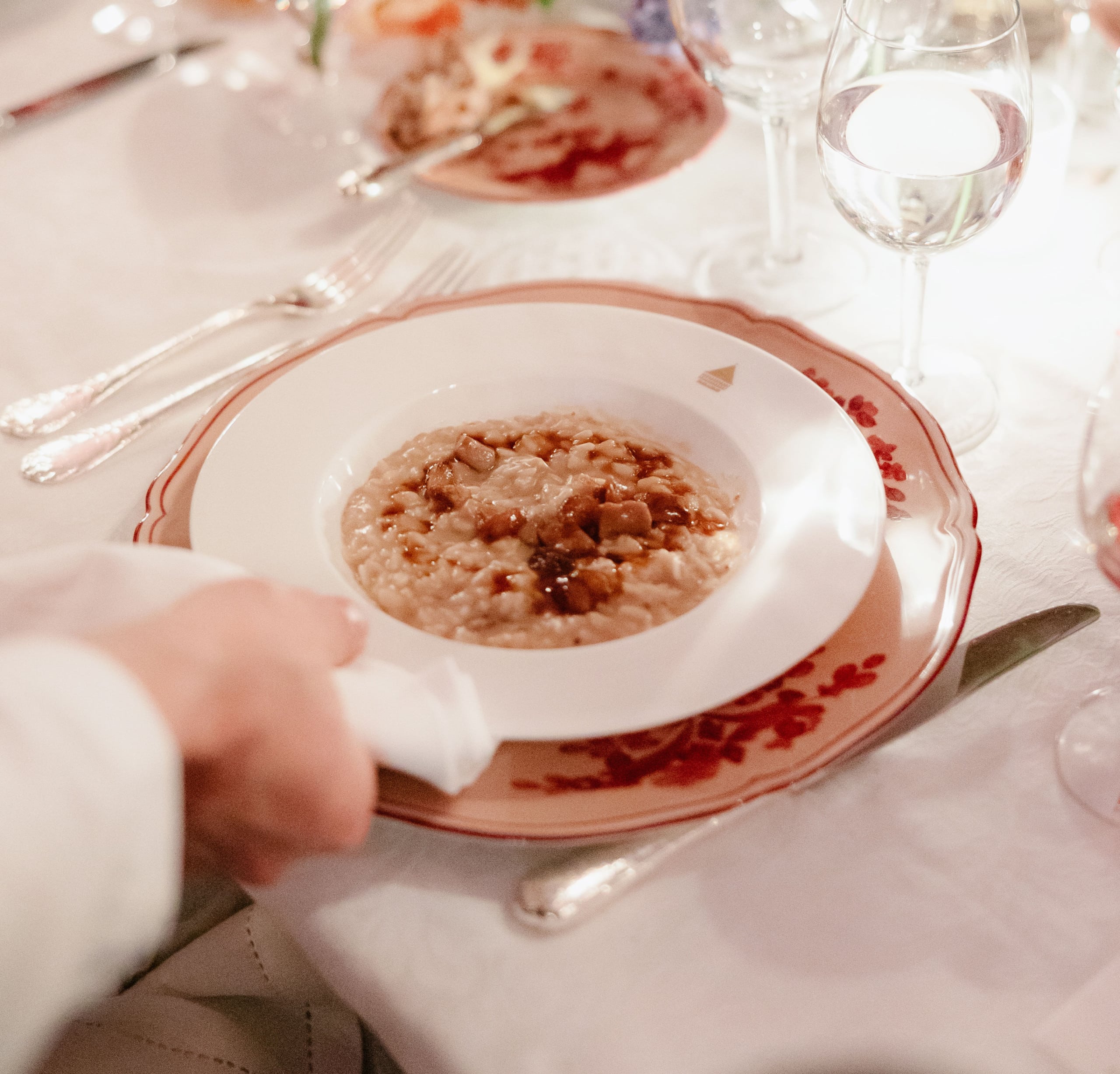
When imagining a luxury wedding, attention often turns to the venue, the décor and the dress. The food, despite accompanying some of the celebration’s most meaningful moments, sometimes receives less consideration than it deserves. Or it is judged primarily by its presentation.
For Sara Mazzei, founder of Infinity Weddings, food is an essential expression of hospitality. It can tell the story of a destination, reflect the couple’s personality and make every guest feel truly welcome.
“I believe food is still greatly underestimated in the world of luxury weddings. Extraordinary attention is devoted to what guests will see, yet sometimes less to what they will taste. The quality of a dish and the way it is served have a profound influence on how much people enjoy the celebration.”
At an Italian wedding, this philosophy becomes particularly meaningful. Food is not simply part of the reception: it connects guests with the destination, introduces them to local traditions and creates memories that can last long after the celebration has ended.
For Infinity Weddings, designing an exceptional culinary experience means bringing together the quality of the ingredients, the identity of the destination, the expertise of the professionals and the personal story of the couple.
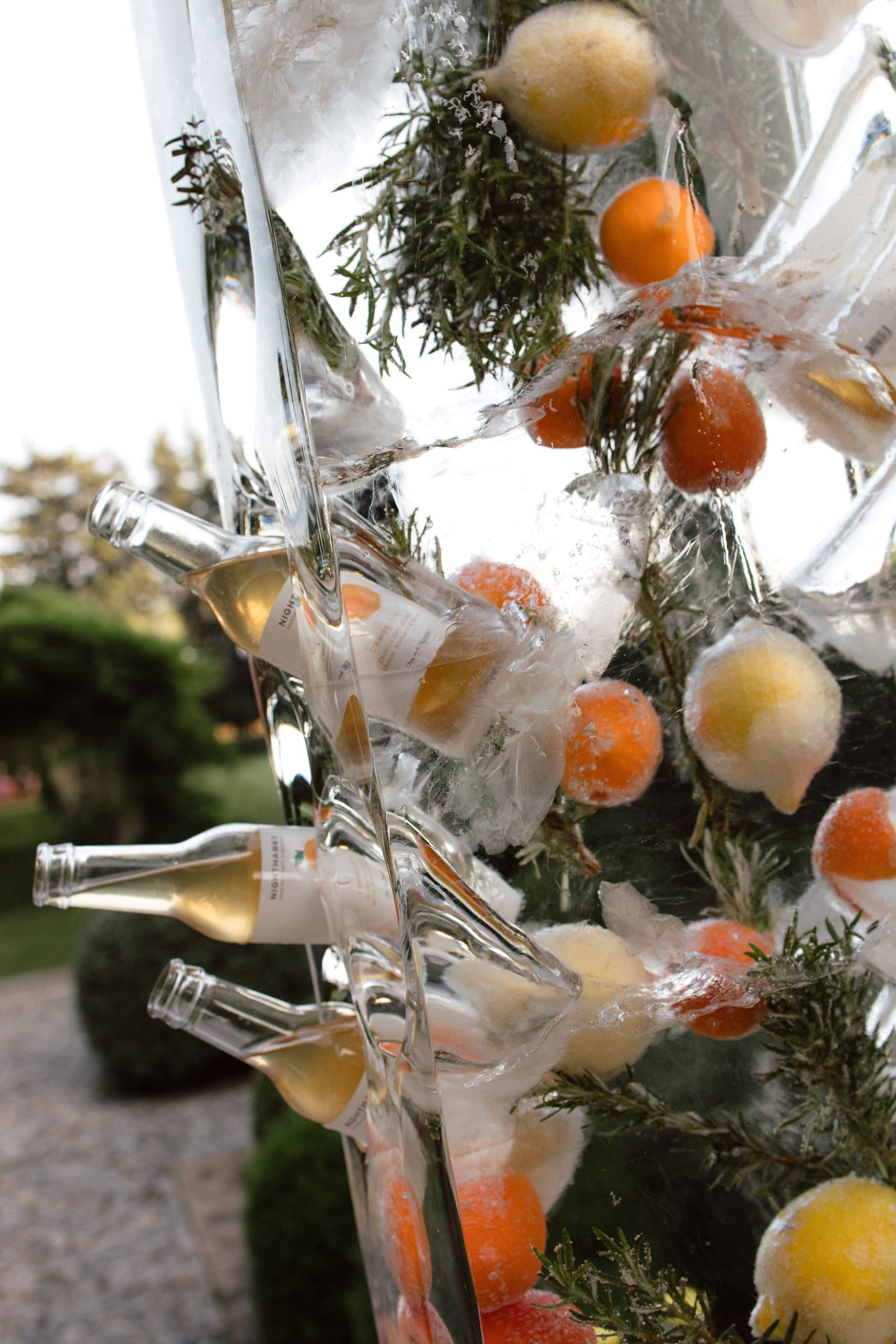
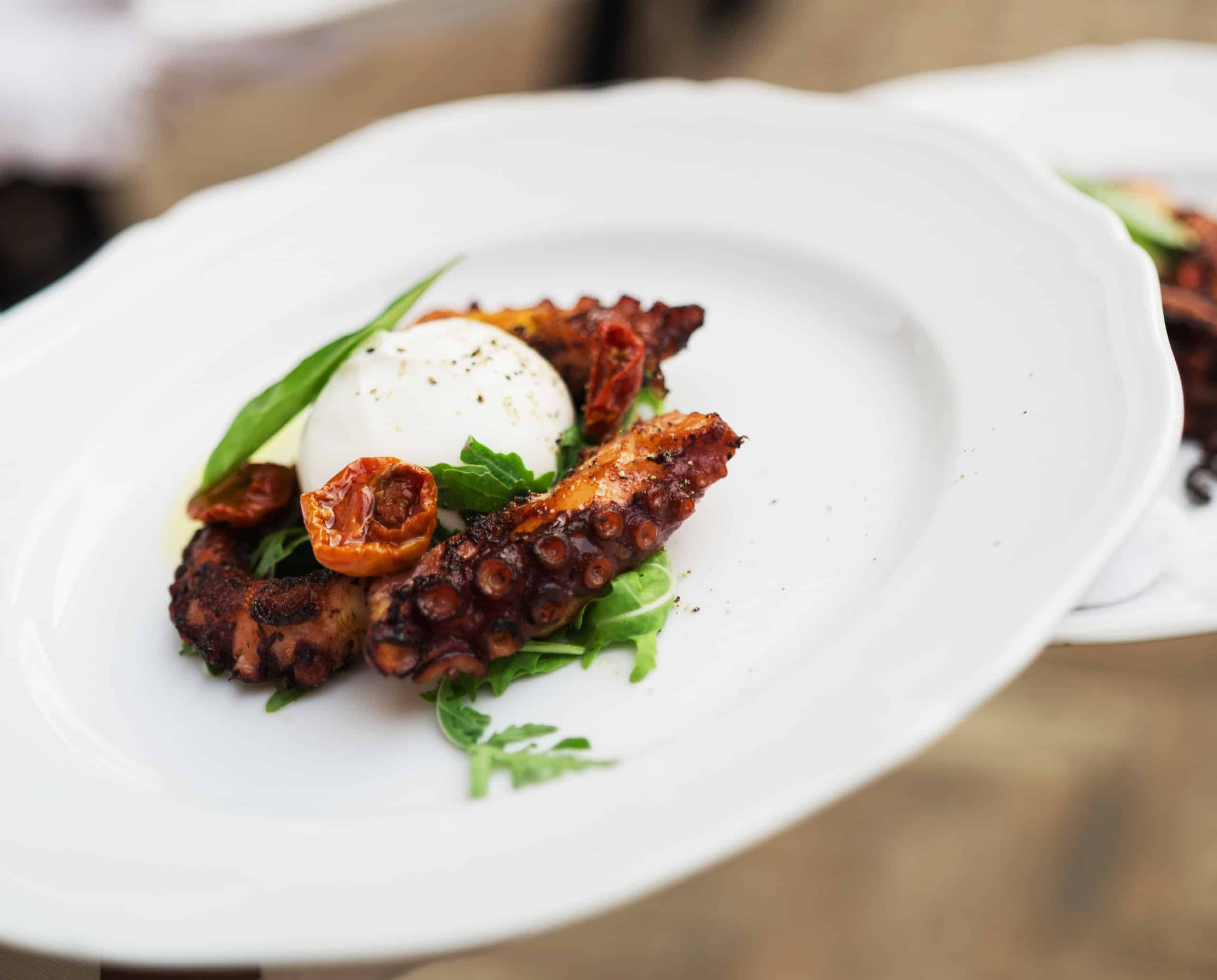
Italian wedding food & sensory storytelling: when taste becomes part of the celebration
There are moments at an Italian wedding that are remembered long after the music has stopped.
The first taste of a perfectly chilled Franciacorta as guests arrive. The scent of fresh herbs drifting across a Tuscan courtyard at sunset. Handmade pasta served beneath centuries-old stone arches. A final dessert arriving almost unexpectedly, accompanied by the soft clink of glasses and the sound of conversation continuing late into the evening.
Food has always been central to Italian hospitality. At a luxury destination wedding, however, it can become something more: a language through which a place, a season and a couple’s story are expressed.
This is where Italian wedding food becomes part of the design of the celebration. It is not simply about what guests eat, but what they feel, discover and remember.
For Sara Mazzei, this experience begins long before the wedding day. The decisions surrounding the menu, the chef, the catering team and the wines all contribute to the atmosphere the couple wants to create.
An exceptional meal is never the result of a single decision. It emerges from a series of carefully considered choices, each contributing to an experience that feels effortless to the guests.
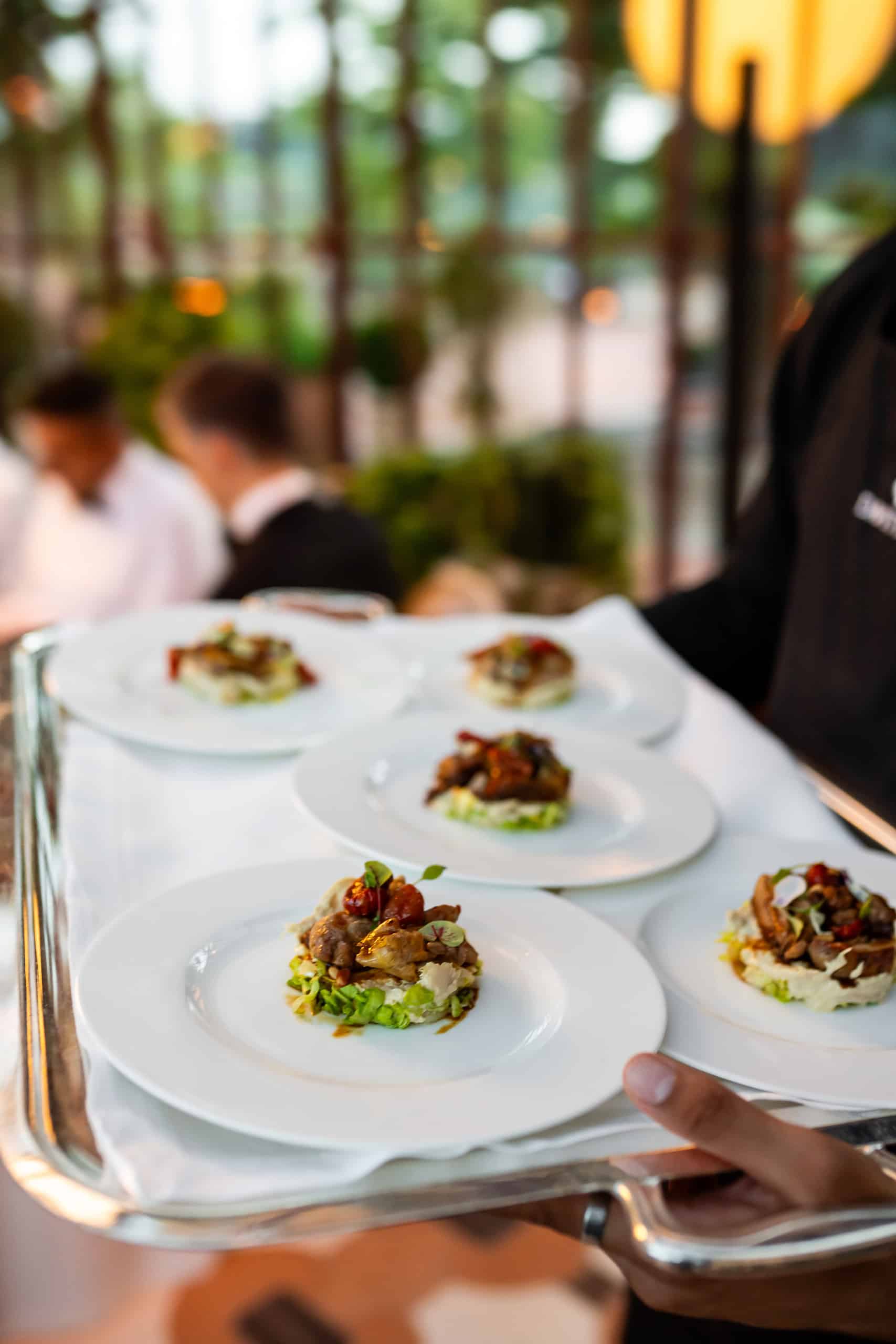
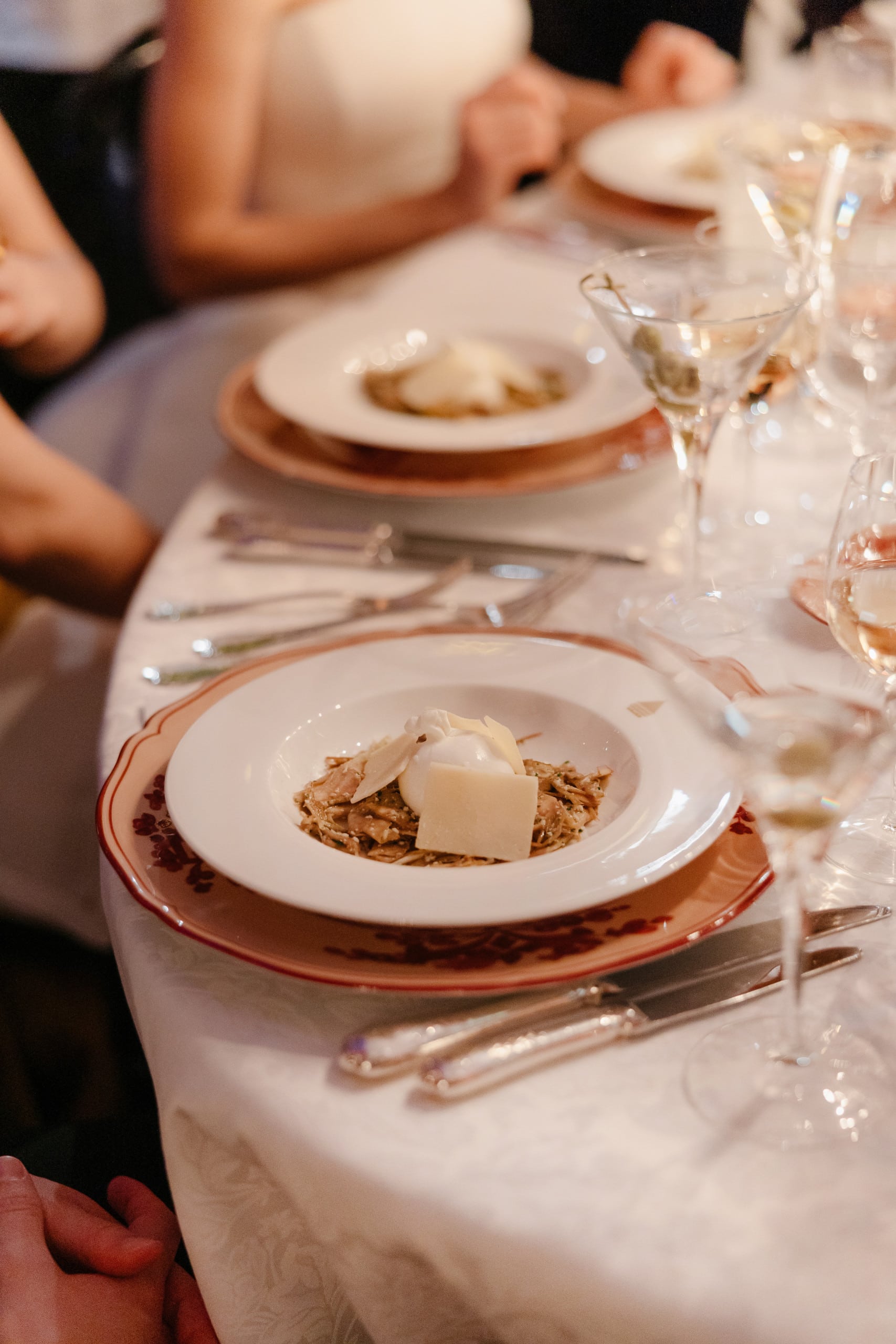
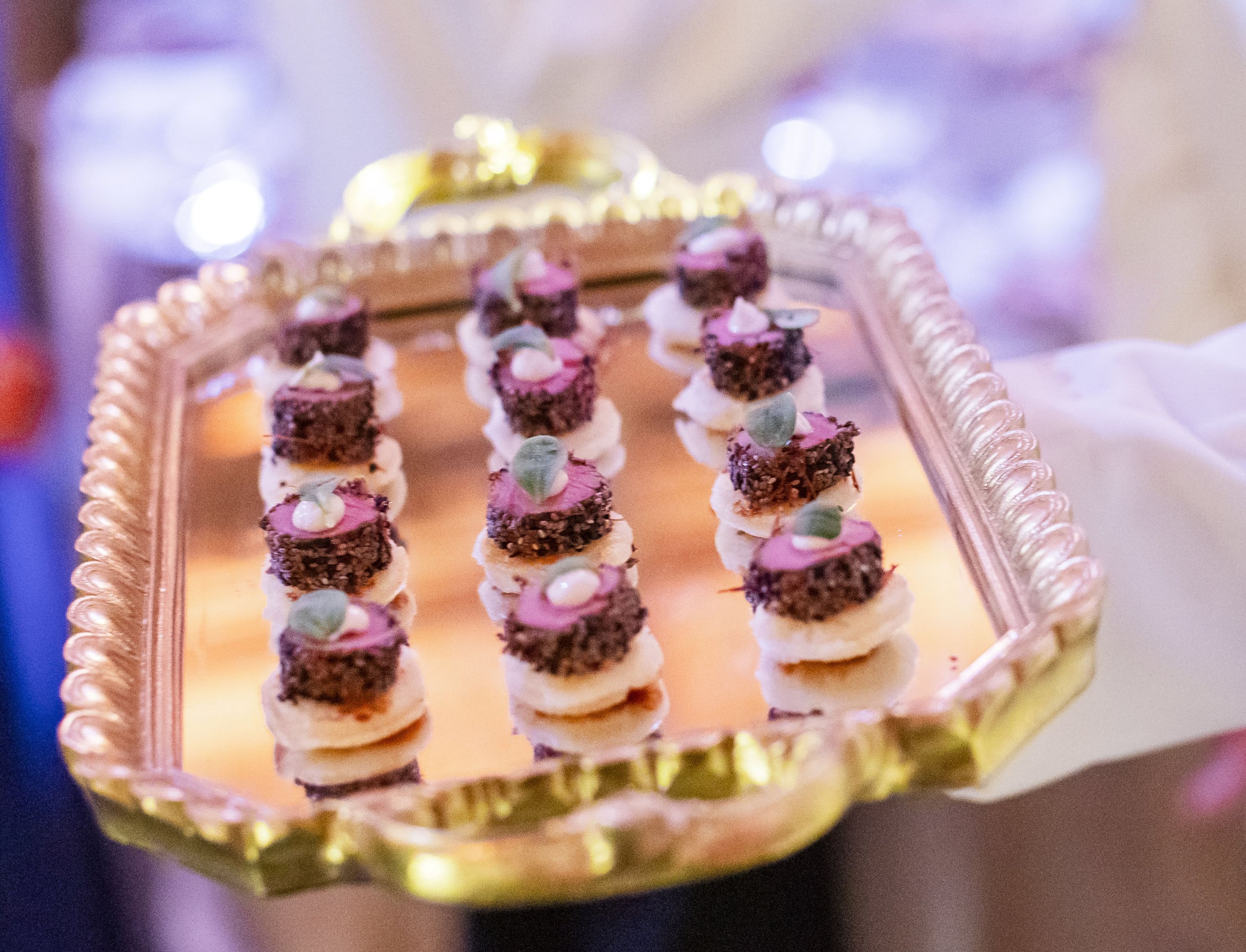
Italian wedding food as a sense of place
Italy does not have one culinary identity. Its character changes from region to region, from the vineyards of Piedmont and Tuscany to the citrus groves of Sicily, from the coastal traditions of Campania to the understated elegance of Lombardy.
For an international couple choosing Italy for their wedding, this extraordinary diversity offers an opportunity to create something deeply connected to the destination.
A wedding in Tuscany might begin with local olive oil, handmade pasta and wines from the surrounding hills. On the Amalfi Coast, the menu might draw from the sea, citrus and the unmistakable freshness of Campanian cuisine. In Sicily, ancient influences and Mediterranean ingredients can create a more generous, layered culinary experience.
The objective is not to recreate a textbook version of Italian cuisine. It is to interpret the place with sensitivity.
For Sara Mazzei, authenticity begins with the ingredient itself: its quality, seasonality, provenance and the care with which it is handled.
“I appreciate beautiful presentation, but I struggle to see the value in elaborate displays that complicate a dish without adding anything to its flavour. Our focus is on the ingredient: its quality, seasonality, provenance and how it is handled.”
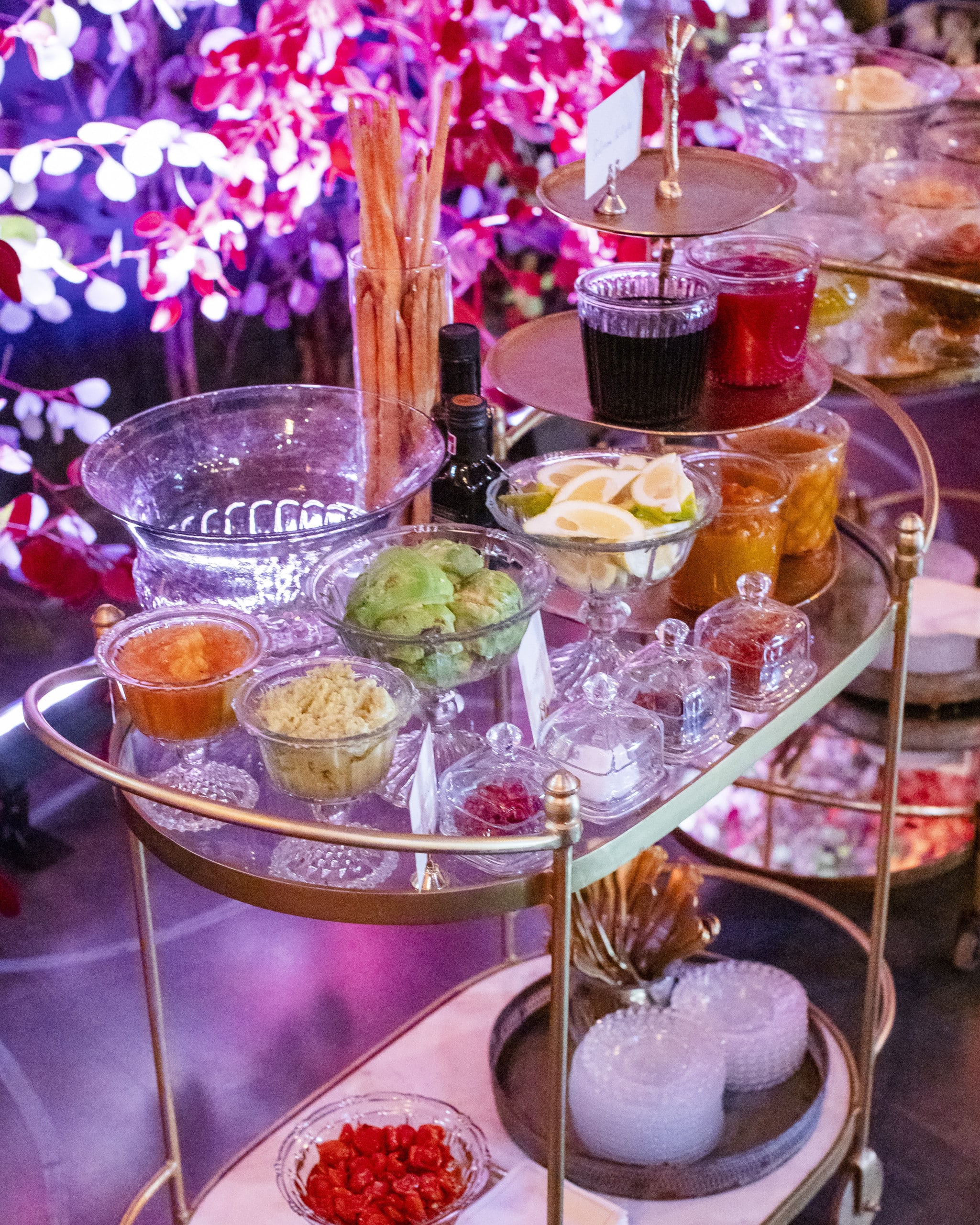
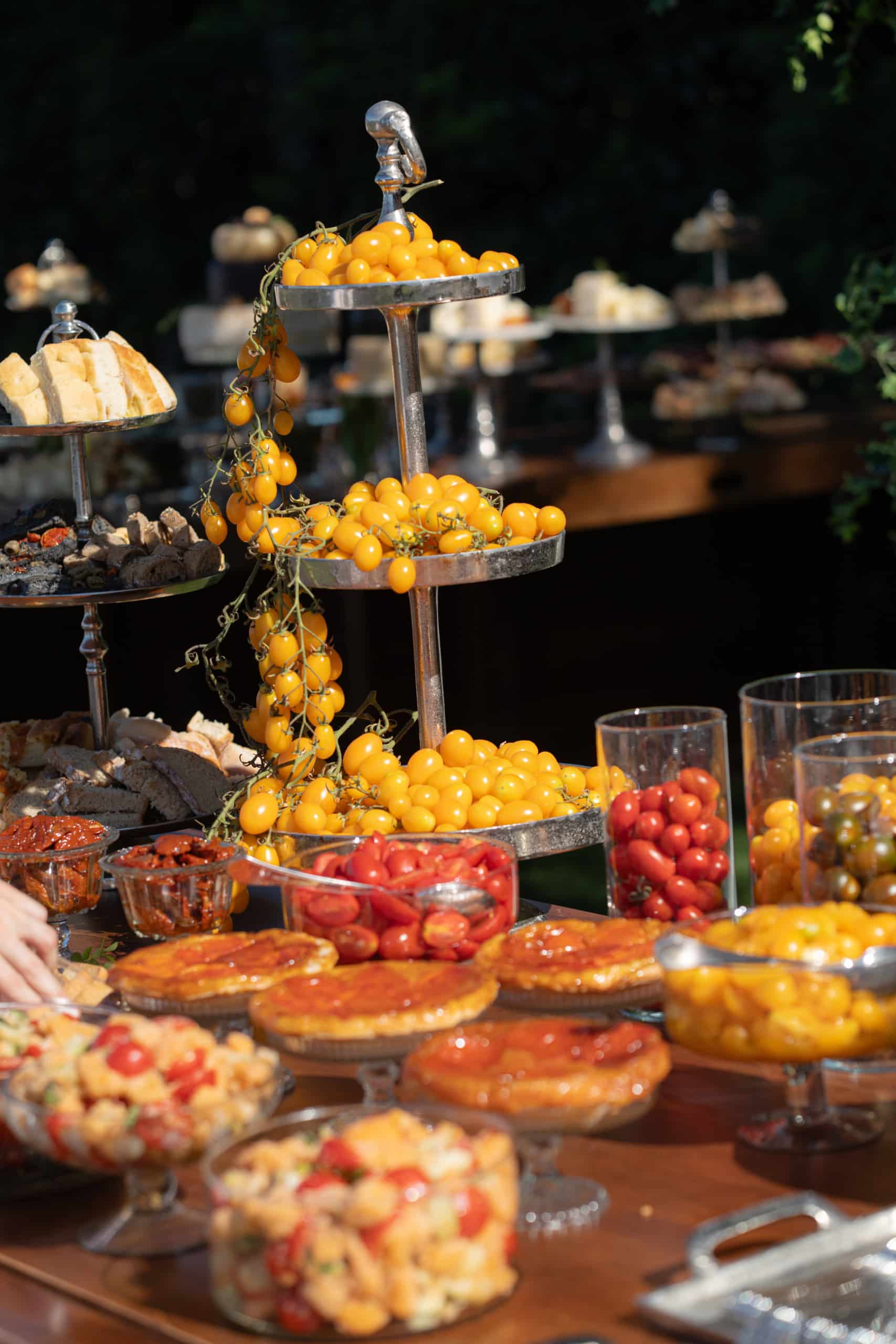
A perfectly ripe tomato, a carefully selected olive oil or pasta cooked with precision might appear simple. Yet these ingredients demand knowledge, careful sourcing and considerable skill to reach their full potential.
“Simplicity is revealing. When there are only a few ingredients, every one of them needs to be extraordinary. That is where I recognise confident cooking: in the ability to let flavour speak for itself.”
This approach is particularly relevant to a destination wedding in Italy. Guests often arrive with high expectations, especially when they have travelled specifically to experience the country’s food, wine and culture.
“Today, you can find extraordinary Italian food all over the world. Our guests travel, know excellent restaurants and arrive with very high expectations. Being in Italy gives us access to a wonderful culinary heritage, which we must know how to select and interpret with expertise. Serving an Italian dish alone is no guarantee of an exceptional experience.”
The challenge, therefore, is not simply to serve Italian food. It is to create a culinary experience that could only belong to that particular place, season and celebration.
Beyond the traditional Italian wedding menu
A traditional Italian wedding menu can provide inspiration, but luxury lies in knowing what to preserve, what to reinterpret and what to leave untouched.
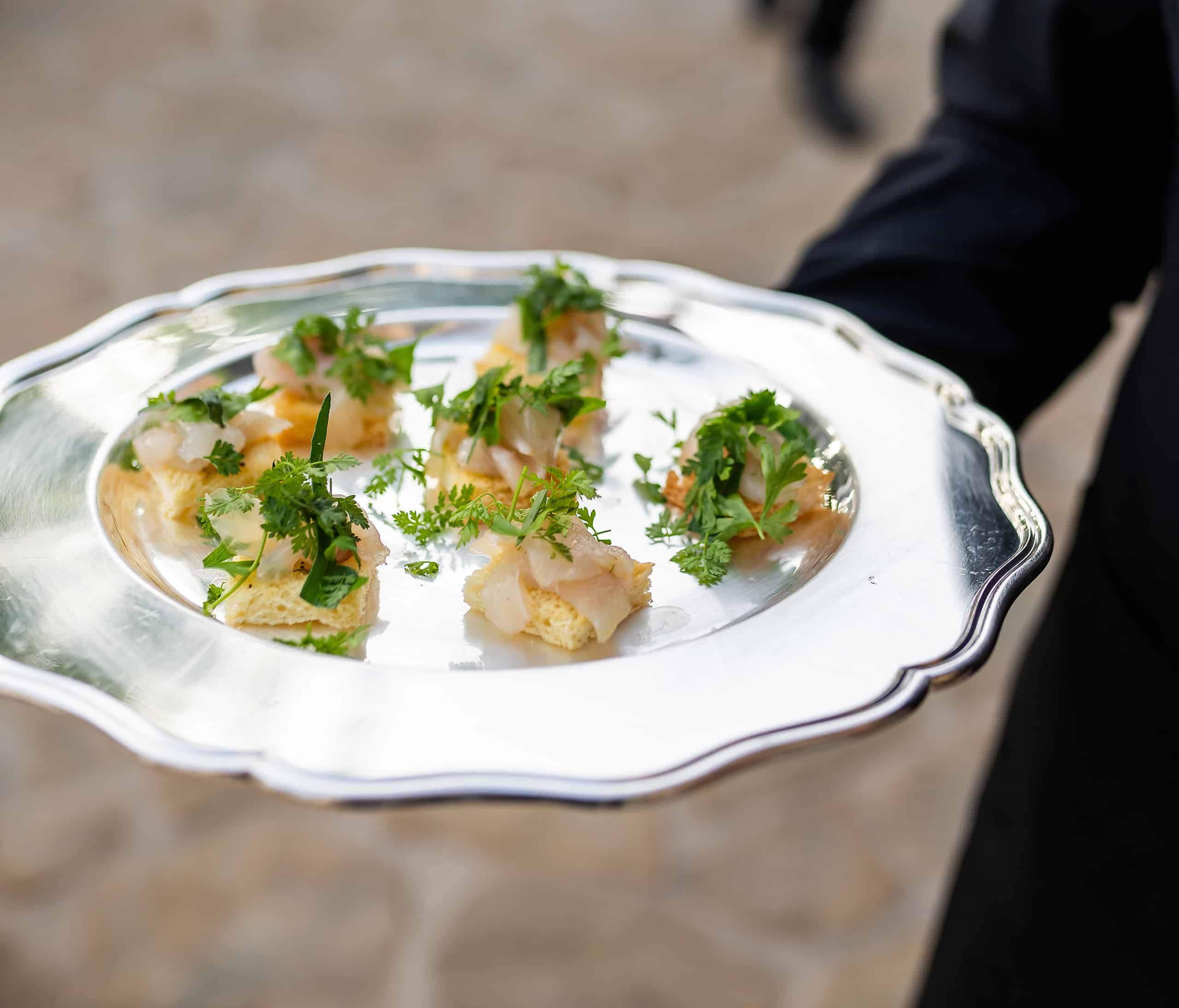
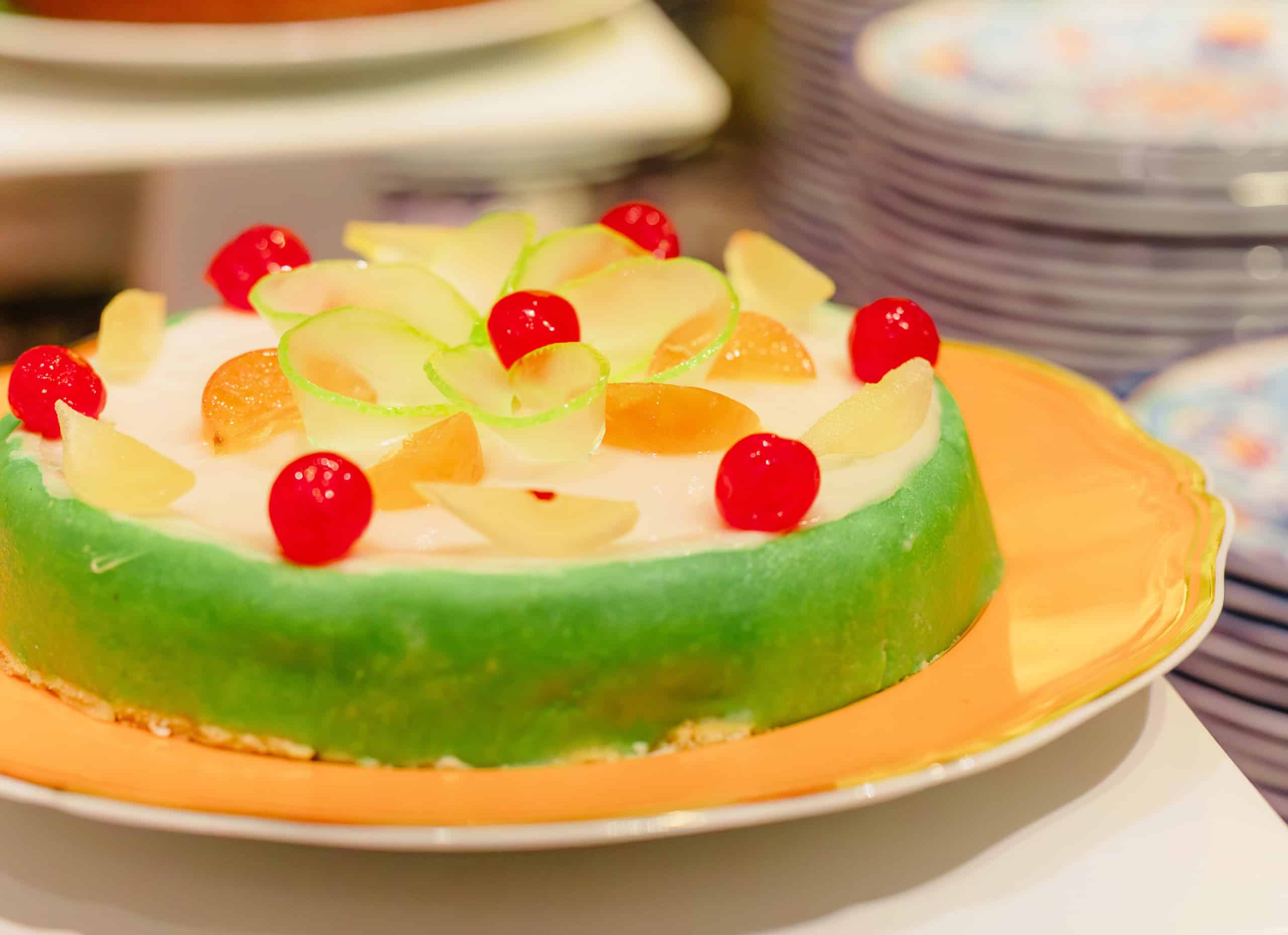
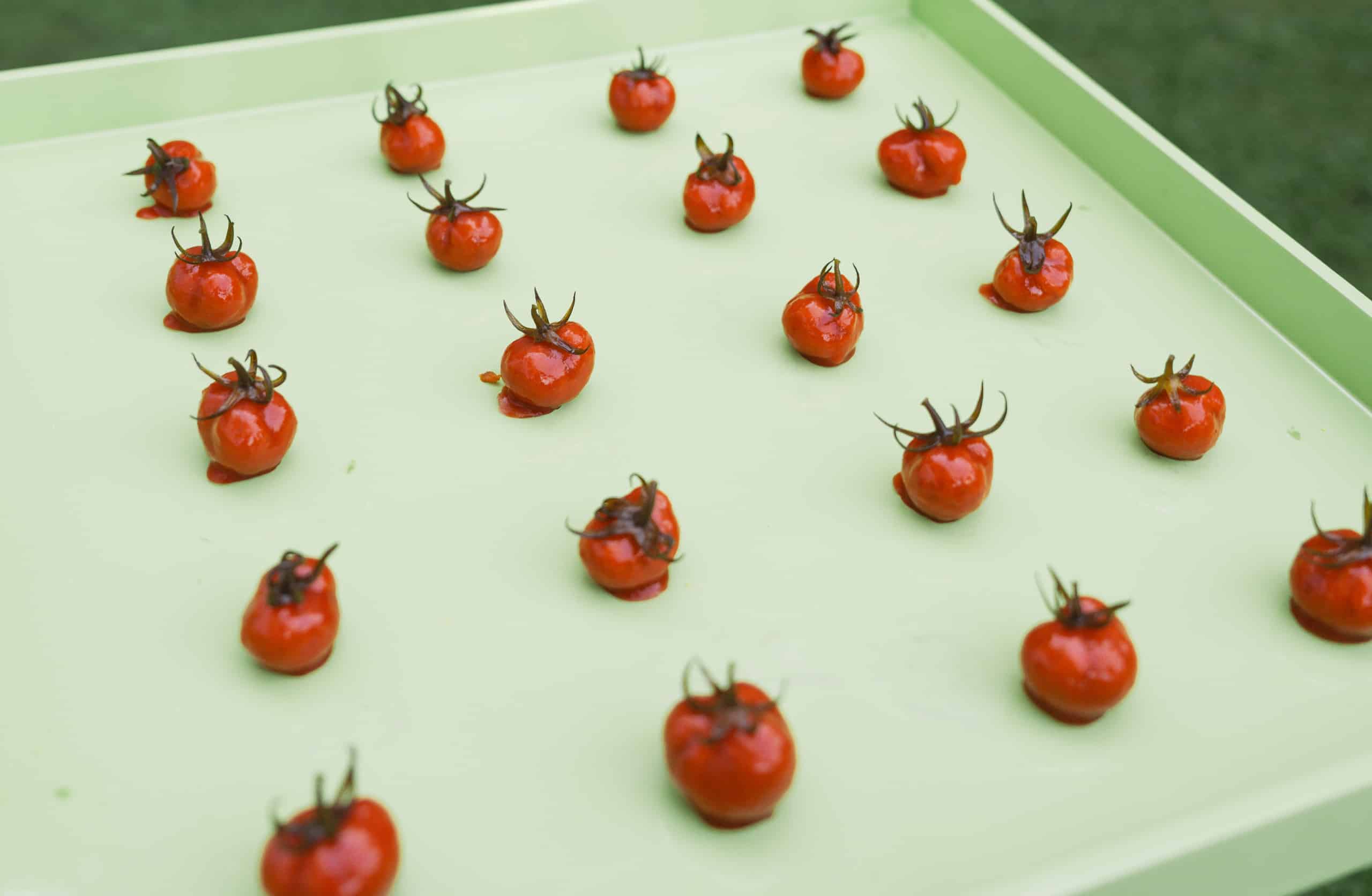
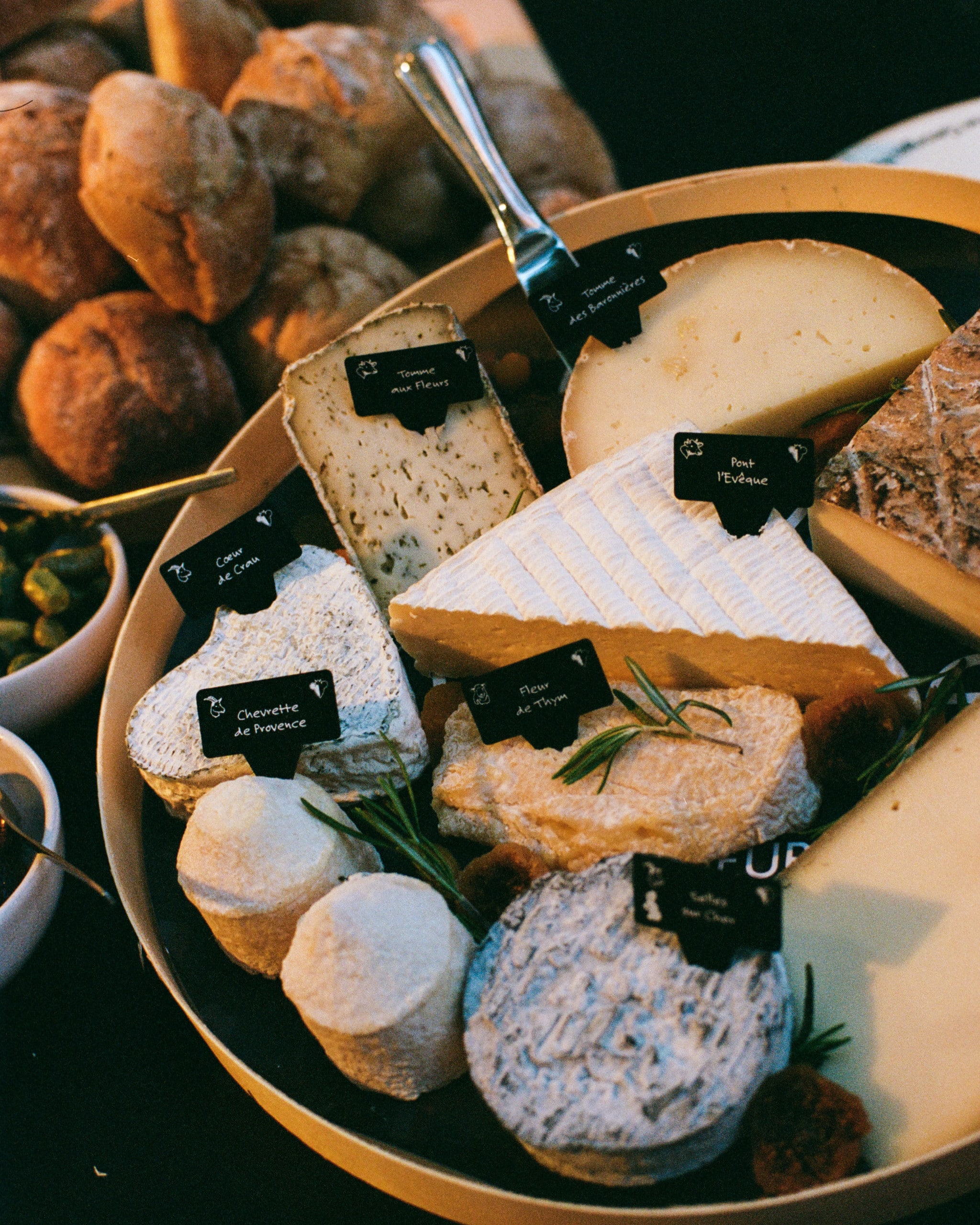
Perhaps it is a pasta dish that evokes the region without becoming predictable. A particular cheese selected from a small producer. Tomatoes at the height of their season. A dessert remembered from childhood, presented with the precision of contemporary fine dining.
The most memorable menus often achieve this balance: recognisable enough to feel authentic, yet unexpected enough to feel personal.
For international guests, this can become an introduction to Italy that goes far beyond the postcard version of the country.
The same principle applies to the couple themselves. Their favourite flavours, family traditions and personal connections to Italy can all inform the menu.
The aim is not to reproduce Italian cuisine for its own sake, but to give it meaning within the couple’s story.

Choosing the right chef and catering team
At Infinity Weddings, the culinary experience is considered from the earliest stages of planning. Selecting the right chef or caterer is one of the first decisions because it influences both the menu and the practical organisation of the celebration.
“The caterer or chef is among the first suppliers we confirm. We want to secure the very best and choose the right team for each wedding. We assess the cuisine, of course, but also the team’s ability to deliver that same quality to every guest, within the particular conditions of the venue.”
This last point is particularly important. A beautiful tasting is an essential starting point, but the real test is whether the same quality can be delivered consistently on the wedding day.
Cooking for a wedding requires more than culinary talent. It involves timing, coordination, suitable kitchen facilities, precise temperature control and the ability to serve a large number of guests without compromising the experience.
A team accustomed to working in a restaurant may need to adapt its approach when serving a wedding in a historic villa, a private estate or a remote countryside venue.
The setting can present logistical challenges, and the kitchen must work in harmony with the wider event.
For this reason, the selection process considers not only the food itself, but also the team’s organisation, experience and ability to work within the specific conditions of the venue.
An exceptional menu must be supported by an equally exceptional operation.
When these elements come together, guests can enjoy the meal without noticing the complexity behind it. Every course arrives as intended, the atmosphere remains uninterrupted, and the culinary experience becomes a natural part of the celebration.
From wine pairing to the rhythm of the evening
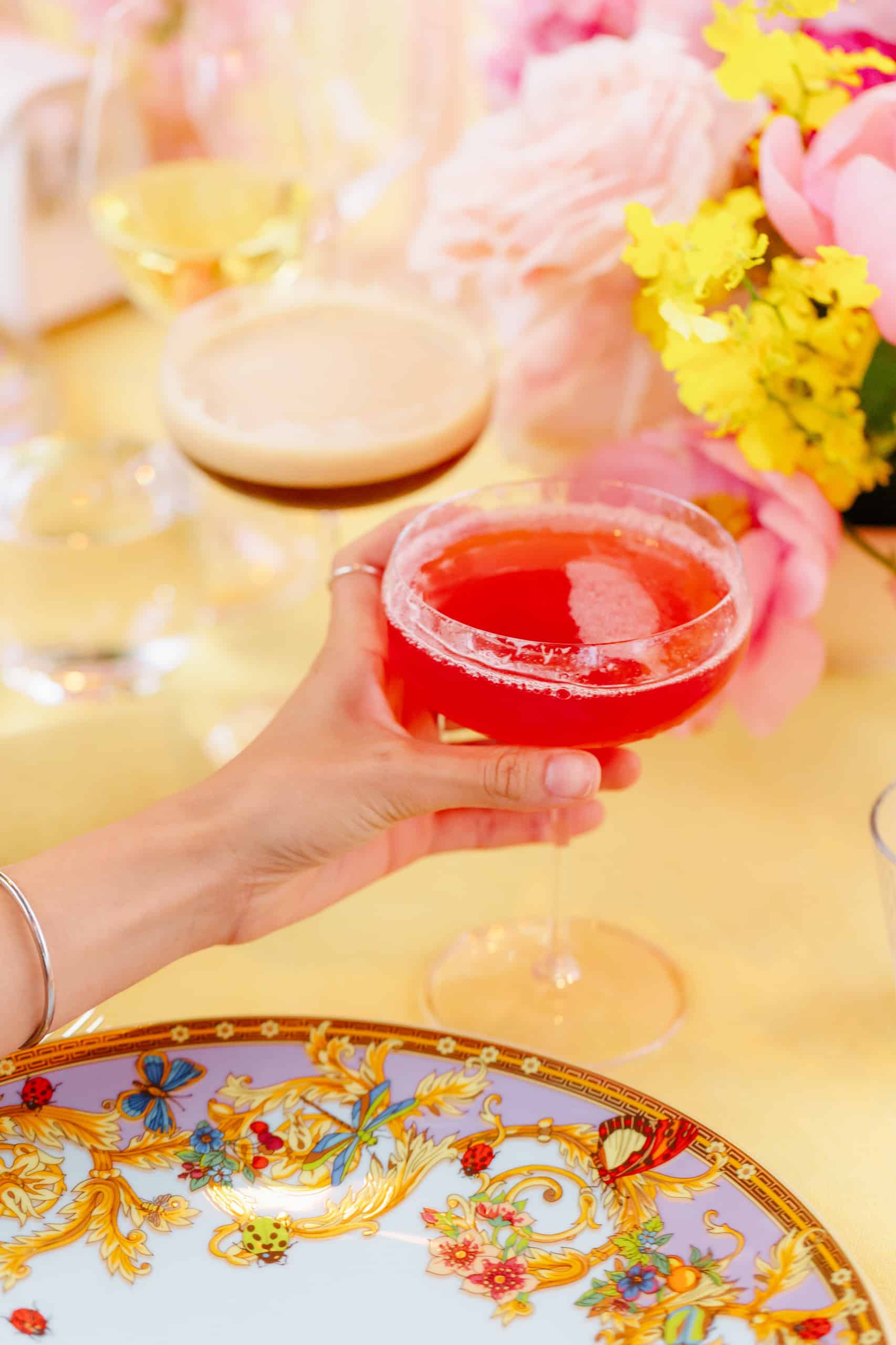
Italy offers an extraordinary vocabulary of wine, and the right selection can give a meal a sense of progression, from the first aperitivo to the final course.
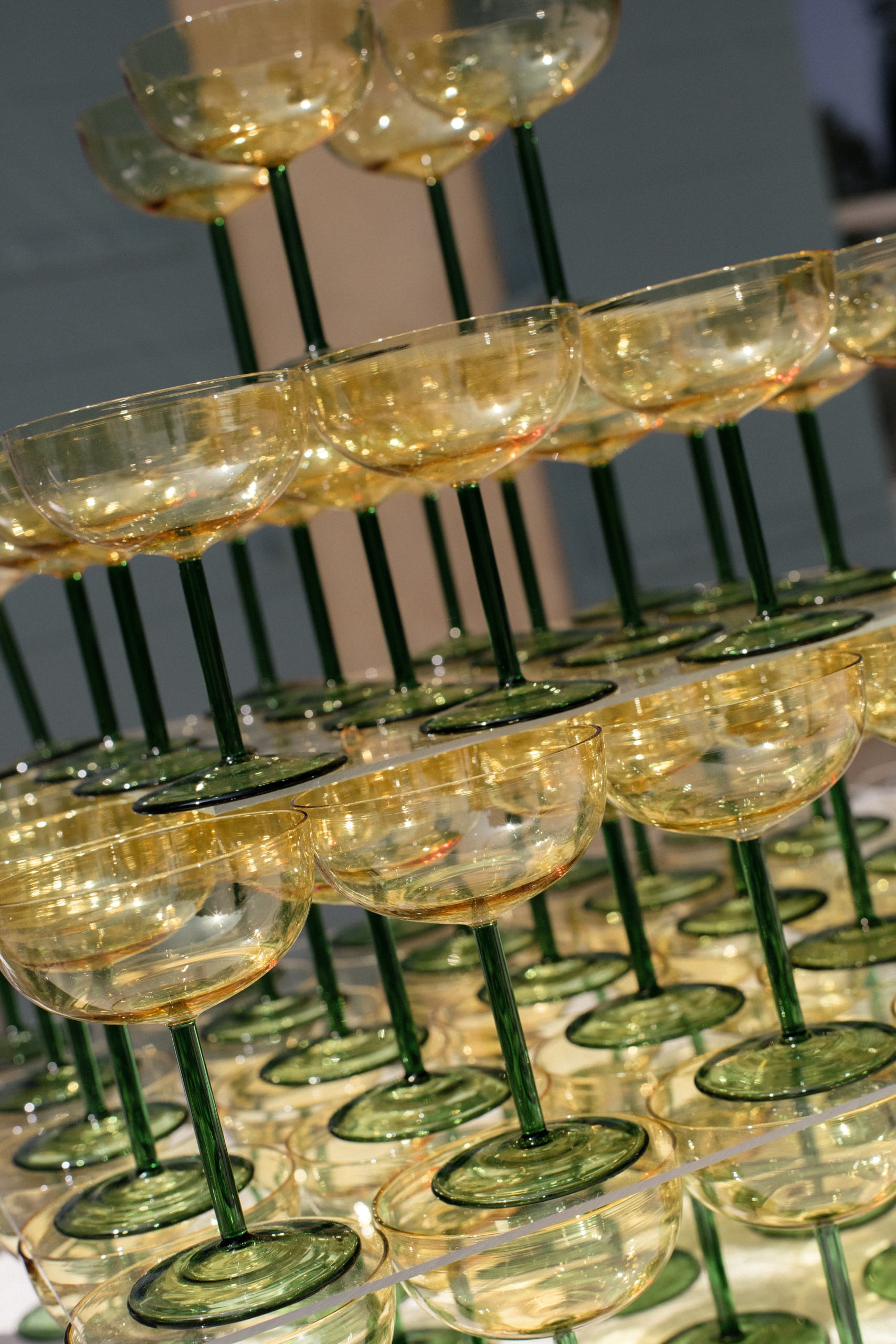
A sparkling wine might accompany the arrival of guests, setting a light and celebratory tone. A mineral white could follow a delicate seafood course. A structured Tuscan red might appear with richer flavours as the evening deepens.
And then there are the small discoveries: a lesser-known label chosen because it comes from the hills surrounding the venue, or a particular vintage selected for a personal reason.
For couples interested in wine, Italy is not simply a destination but an almost inexhaustible source of stories.
For Sara Mazzei, wine selection deserves the same attention as the food itself.
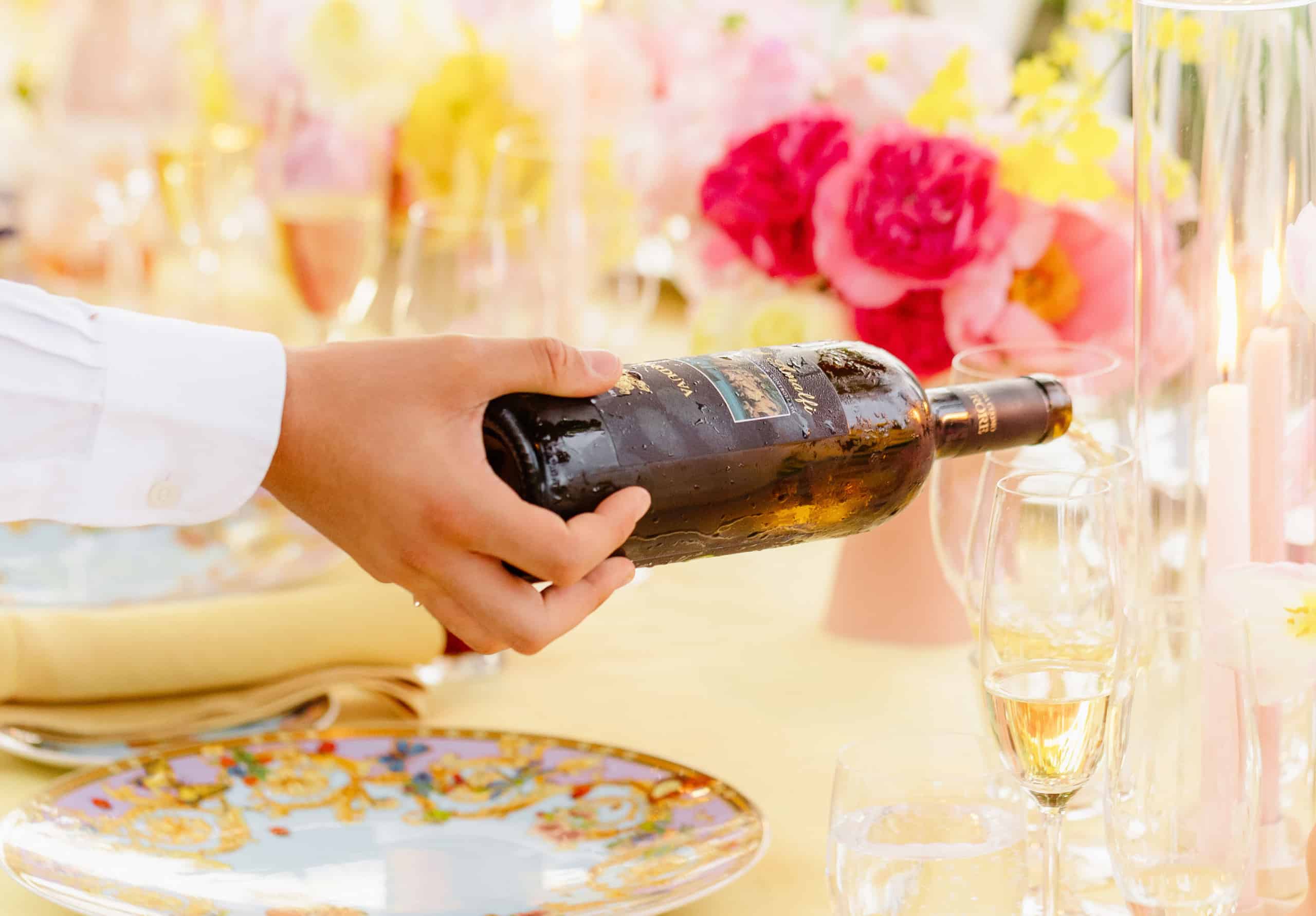
“We continue to taste and learn about wine with the same commitment. A prestigious label can be a wonderful choice, but we want to understand how it fits the menu and the moment. The pairing, the temperature, the glassware and the quality of service all matter.”
A thoughtfully curated wine selection should accompany the celebration coherently, offering both discovery and pleasure while respecting the couple’s preferences.
“We want to help couples make informed decisions. Some celebrated wines fully deserve their reputation, while lesser-known producers can offer something extraordinary. Our role is to recognize that quality and recommend each wine in the right context.”
The most sophisticated wine pairing is rarely about displaying knowledge. It is about creating harmony between what is on the plate, what is in the glass and what is happening around the table.
This is why wine selection should be considered alongside the menu rather than as a separate decision. The result is a dining experience in which each choice feels intentional, from the opening aperitivo to the last glass shared beneath the stars.
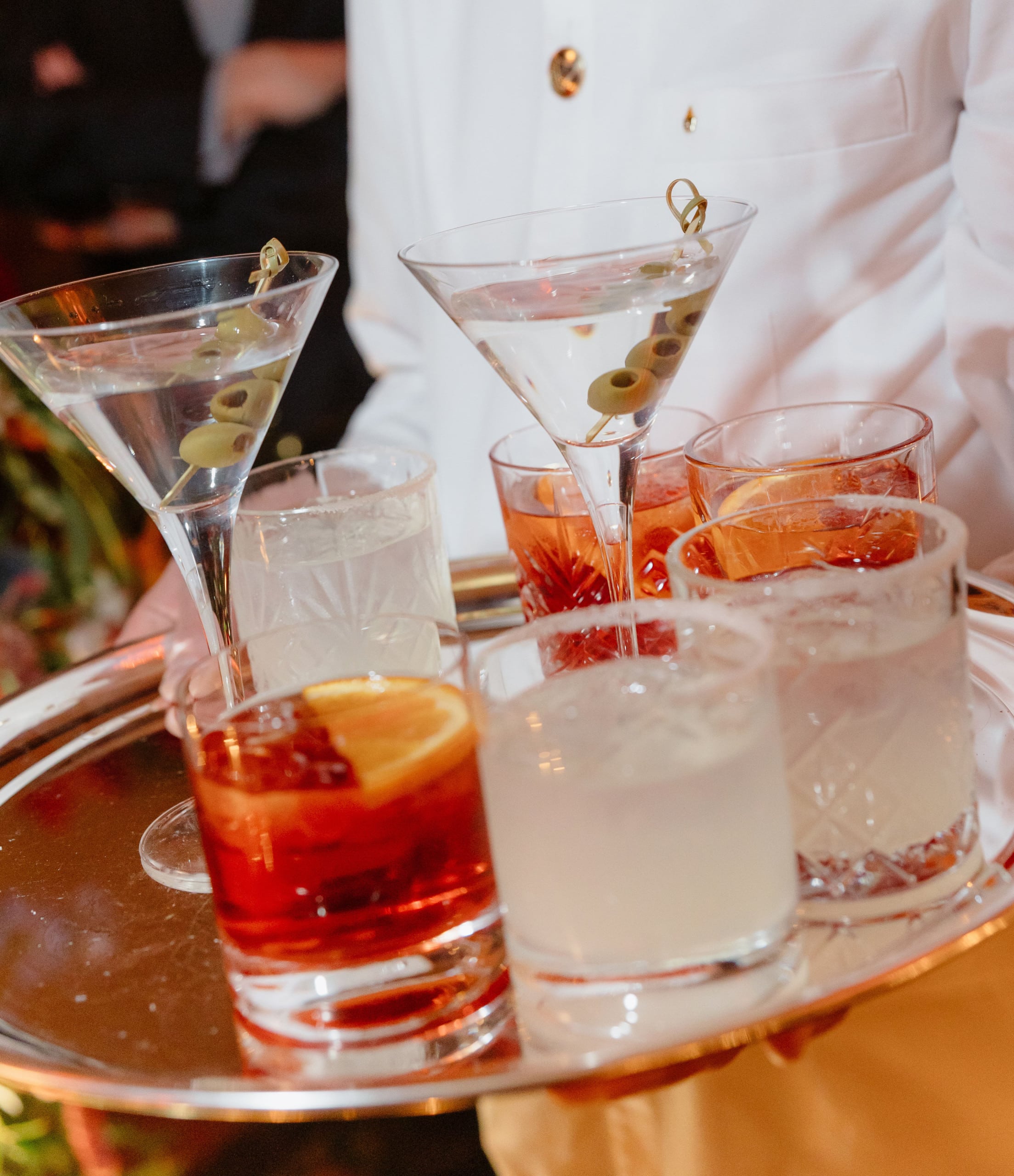
Service shapes the experience
The quality of the food and the quality of the service go hand in hand. Every dish reaches the guest through a sequence of gestures, timing and attentiveness that shapes how it is experienced.
“An excellent dish must arrive at the right temperature and at the right moment. Guests at the same table should be able to eat together. Wine should be served with care. These details require skill and coordination and they make an enormous difference.”
At a luxury wedding, these details are part of the overall experience. A perfectly prepared dish loses some of its impact if it arrives late or at the wrong temperature. A beautifully selected wine deserves to be served in the right glass, at the appropriate temperature and with an understanding of the food it accompanies.
The same consideration applies to the style of service.
Understanding different service techniques makes it possible to select the approach best suited to the menu, the setting and the desired atmosphere. It also means recognising when an element of tableside service enhances the experience and when it might interrupt its flow.
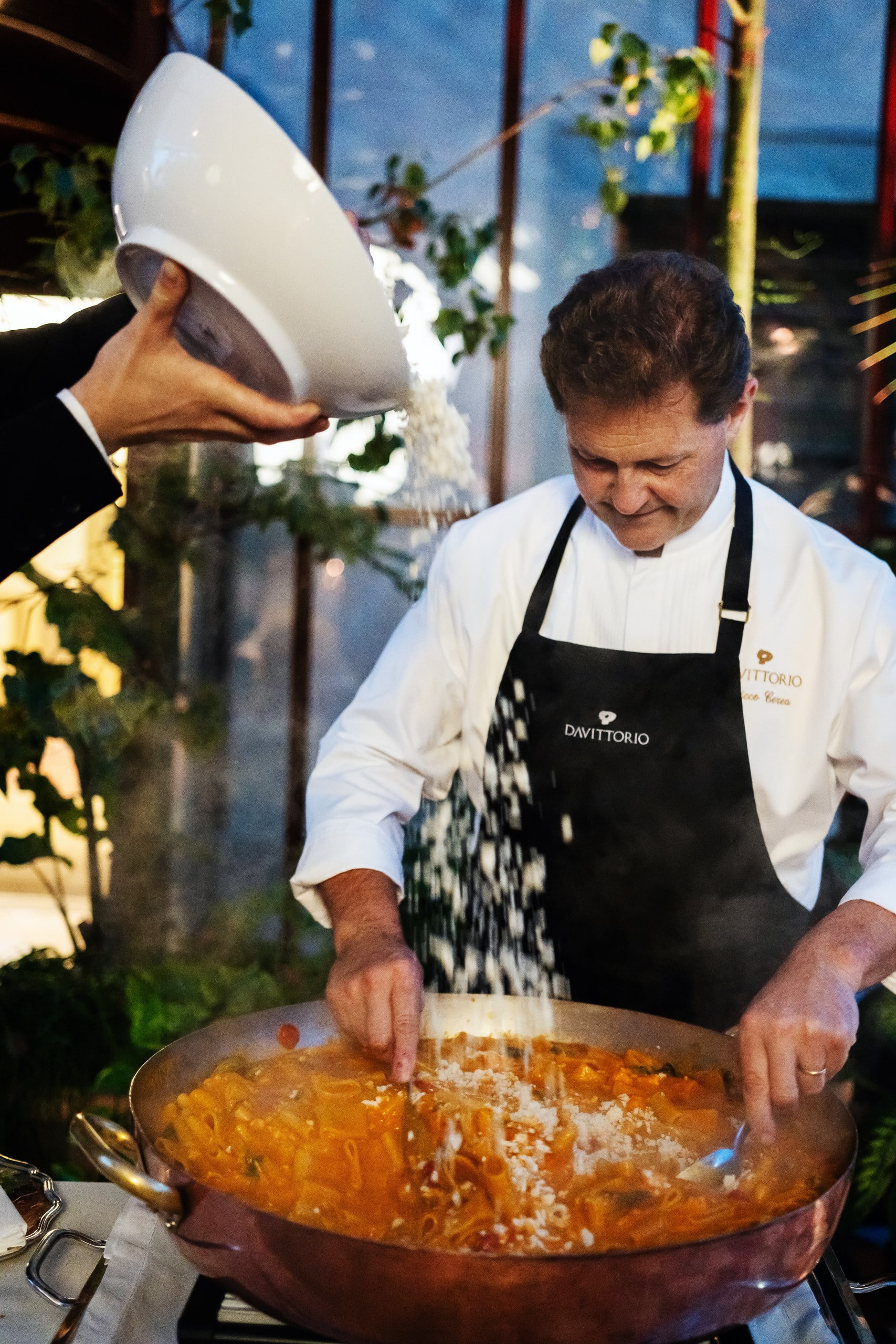
“We understand service techniques and discuss them closely with the professionals we work with. Finishing a dish at the table, for example, can be wonderful when it serves a culinary purpose and is executed precisely. Every decision should contribute to the guests’ enjoyment and the rhythm of the evening.”
For some celebrations, a more theatrical approach can add a sense of occasion. For others, discreet and fluid service is more appropriate, allowing guests to focus on conversation and the atmosphere around them.
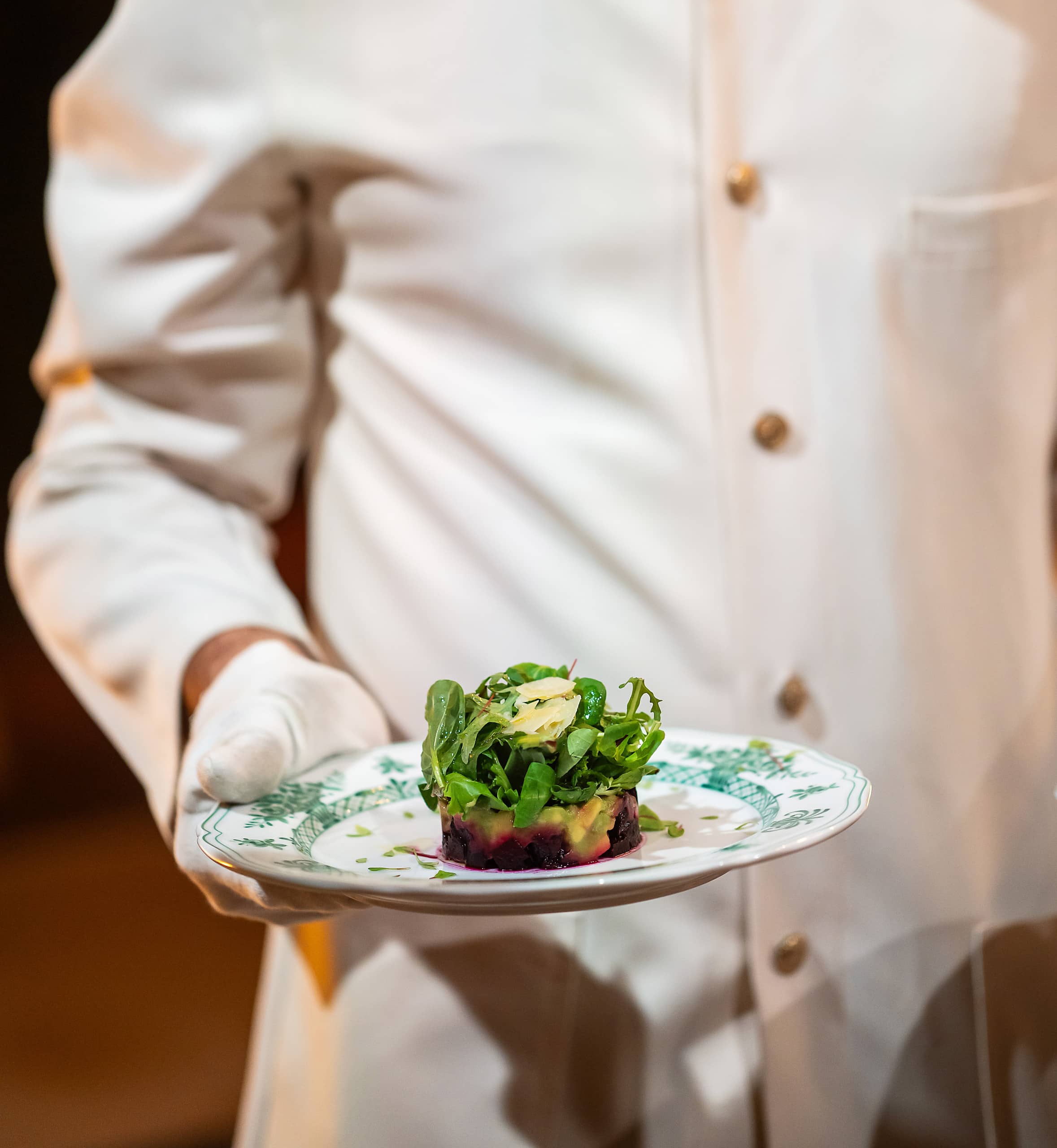
The finest service is attentive without being intrusive. It anticipates a need, remembers a preference and allows the celebration to unfold naturally.
For Infinity Weddings, luxury at the table is expressed through this combination of technical expertise and genuine care.
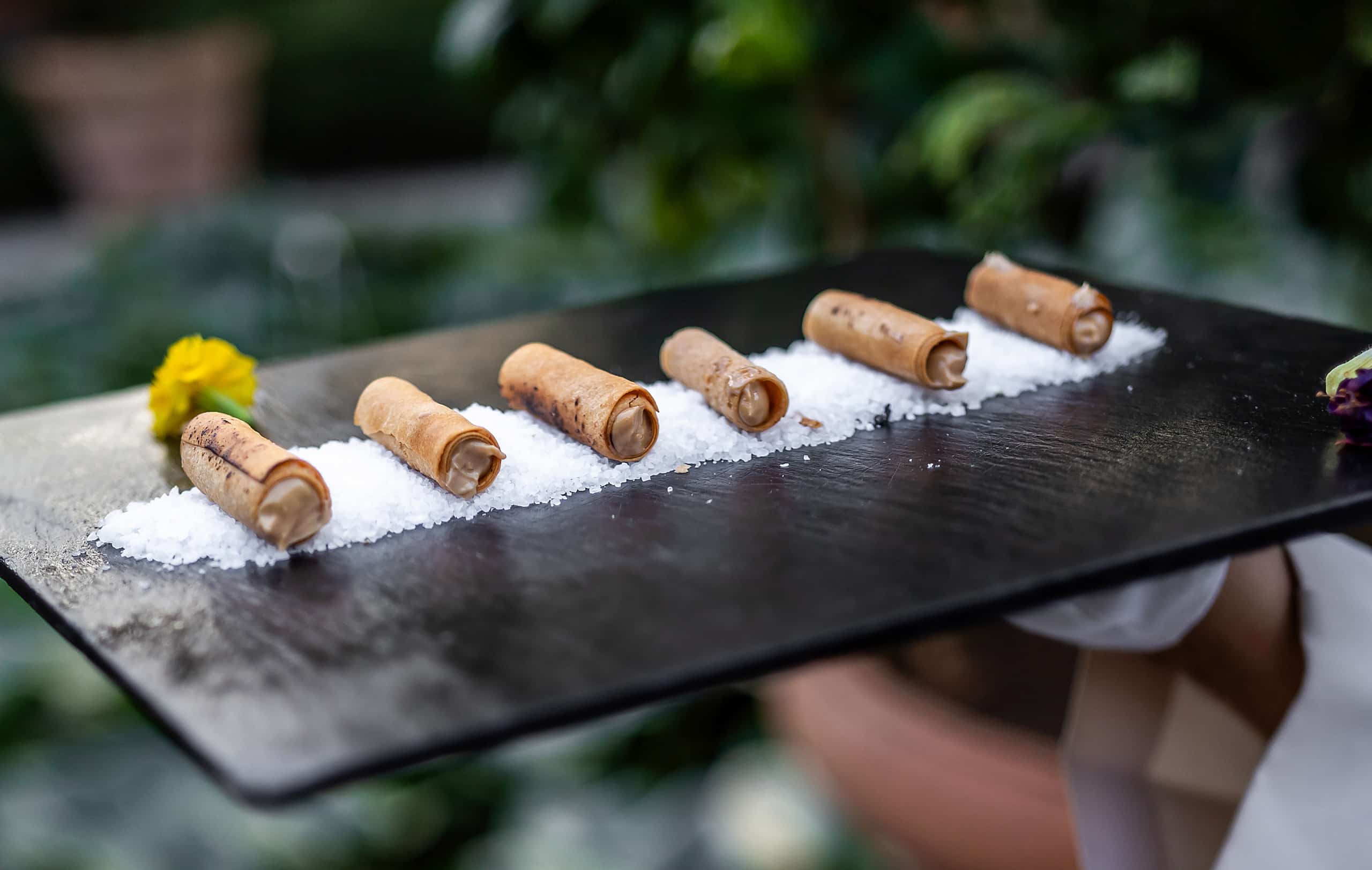
When a Michelin-starred kitchen meets Italian identity
There is a particular pleasure in bringing Michelin-starred culinary artistry into a wedding setting.
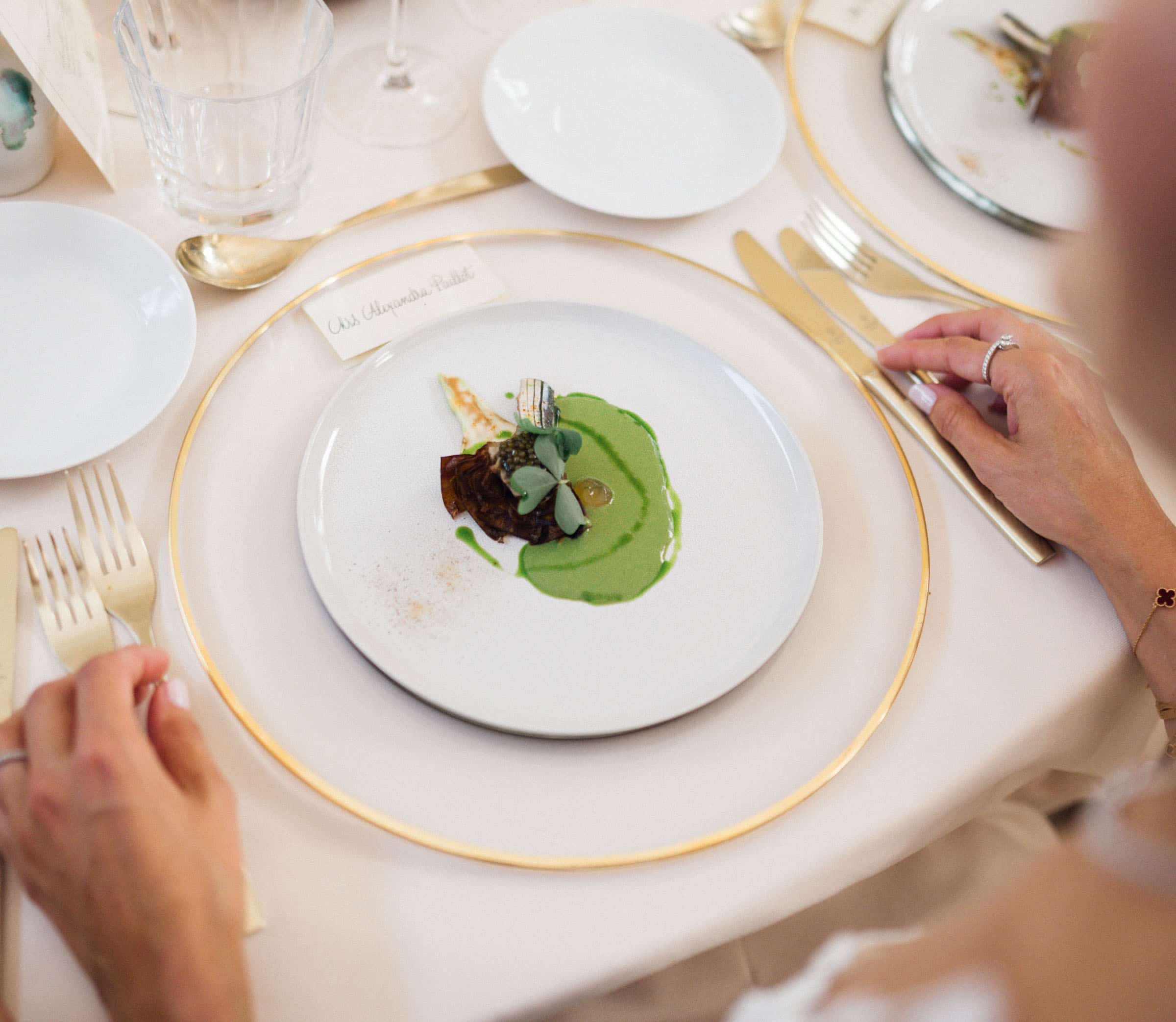
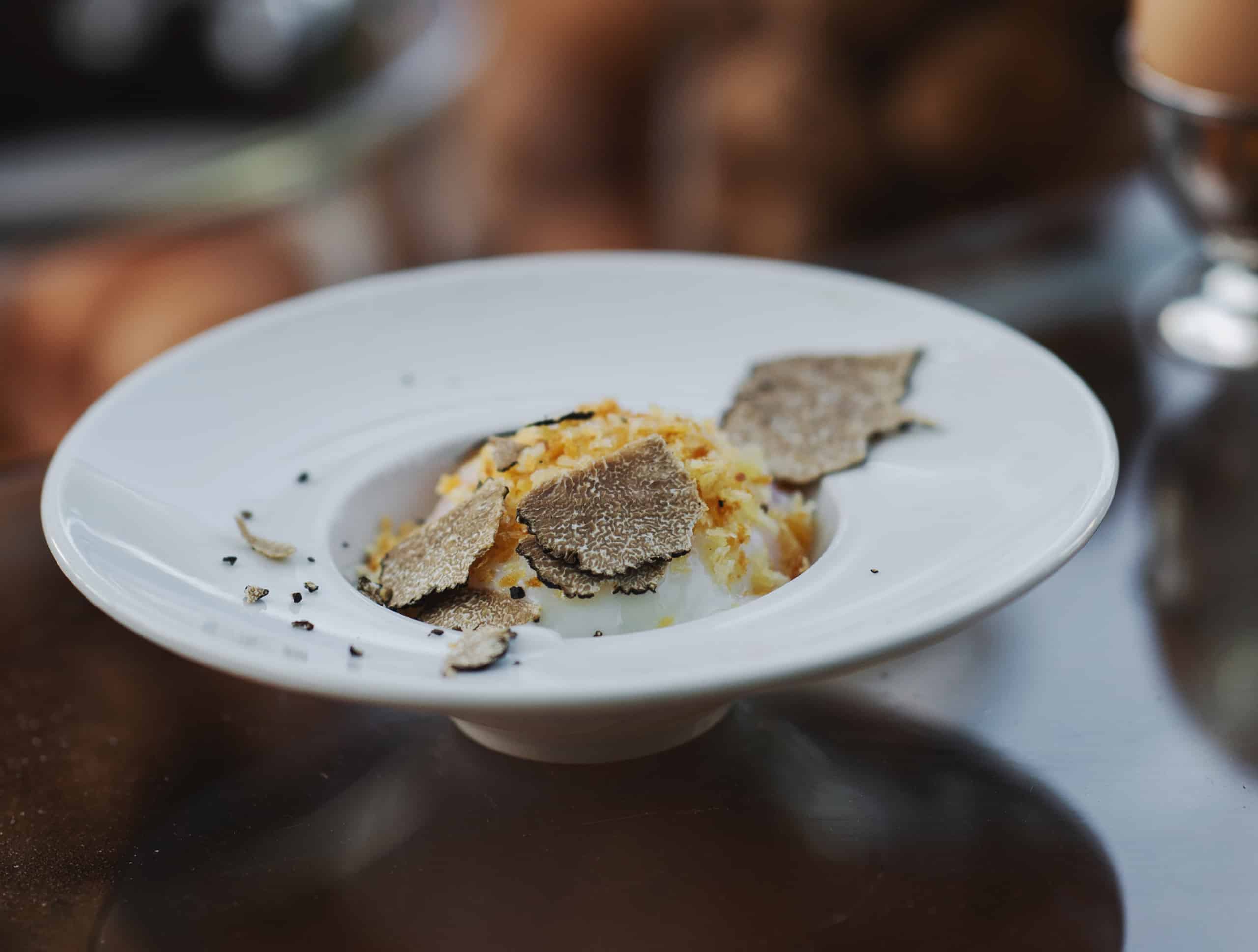
Precision, creativity and technical mastery can transform familiar Italian ingredients into something unexpected. Yet sophistication does not necessarily mean complexity.
A perfectly executed dish may contain only a few ingredients. What matters is the quality of each one, its seasonality, the balance of flavours and the way the dish belongs to the setting.
For a luxury destination wedding, the culinary experience can be designed in collaboration with an exceptional chef to reflect the couple rather than simply reproduce a restaurant menu.
Perhaps the couple has a favourite Italian dish. Perhaps one comes from Italy and the other does not. Perhaps they want their guests, many of whom may be visiting Italy for the first time, to experience a particular region through its food.
These details can become the foundation of the menu. The result is more personal than a catalogue of impressive dishes: it becomes a culinary narrative.
This is where the expertise of the chef and the vision of the wedding planner come together. The menu should be technically accomplished, but it should also make sense within the broader celebration.
A sophisticated dish served in the wrong context can feel disconnected. A simple preparation, by contrast, can become unforgettable when it reflects the season, the surroundings and the people gathered around the table.
The objective is to create a culinary experience that feels distinctive without losing sight of what matters most: the pleasure of eating well and sharing the moment.
The art of the Italian wedding feast
In an Italian wedding feast, the table becomes a place where conversations unfold, stories are exchanged and different generations meet.
A dinner can stretch across several hours, allowing the evening to evolve naturally from aperitivo to dinner, from dinner to music, and eventually to dancing.
This sense of abundance does not need to mean excess. In a luxury celebration, abundance can be expressed through choice, generosity and attention.
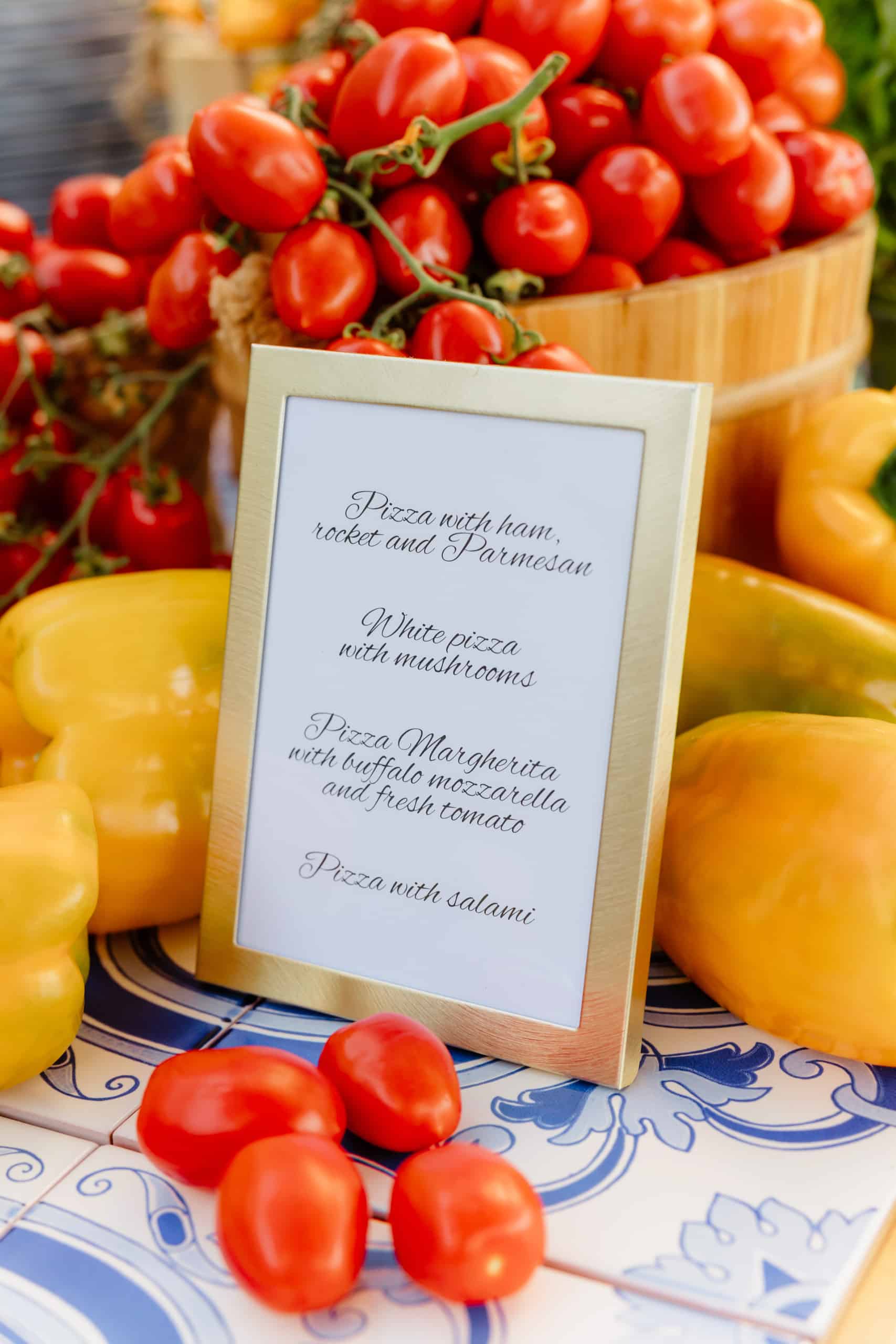
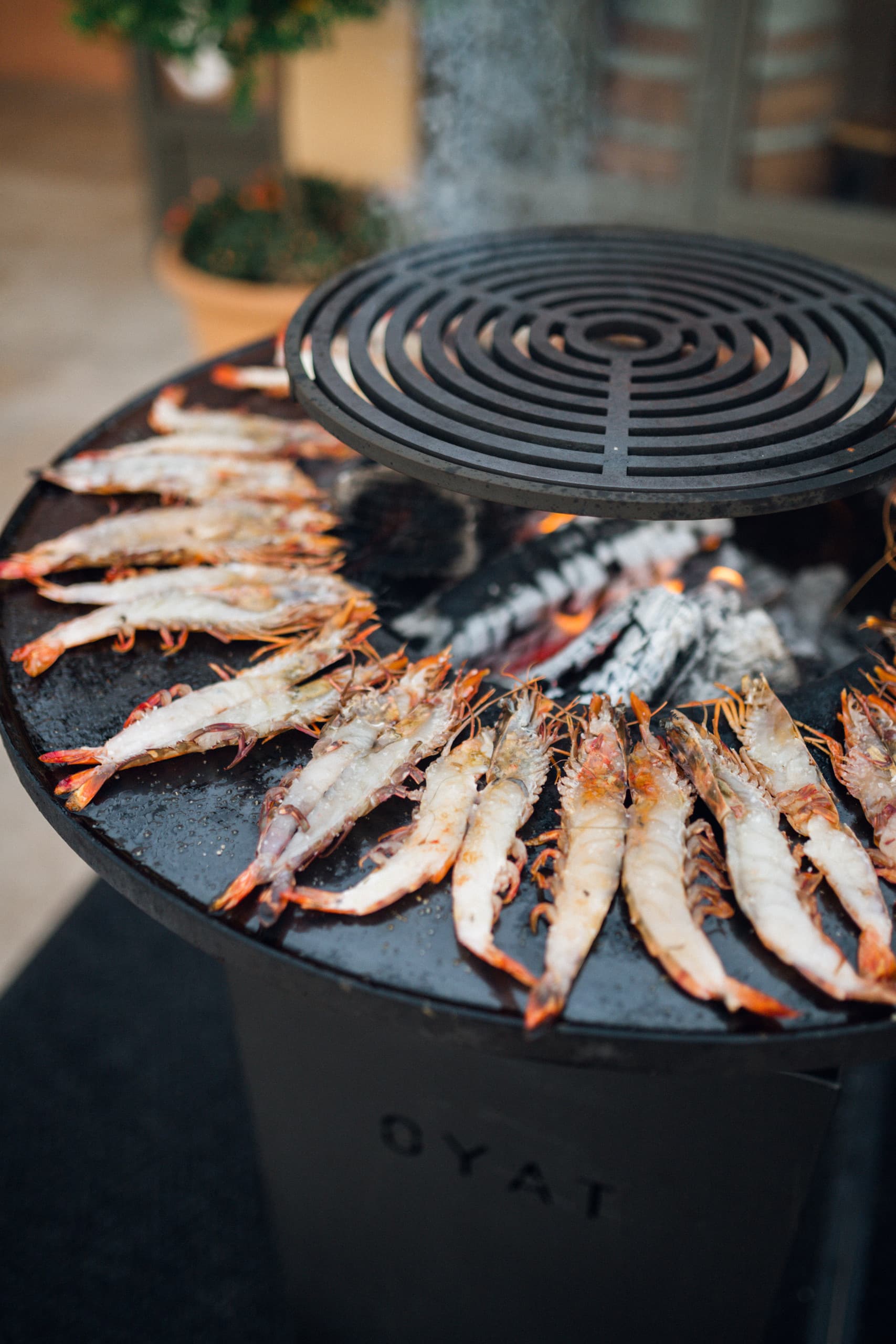
A selection of regional breads waiting at the table. Beautifully presented seasonal vegetables. Exceptional olive oils. A carefully considered succession of courses. A late-night snack appearing after hours of dancing.
These are details guests may not consciously analyse. They simply feel well looked after.
And that is one of the most powerful forms of luxury.
For Sara Mazzei, the experience is defined by the relationship between the quality of the food and the care with which it is delivered. The finest ingredients are important, but so is the ability to make every guest feel comfortable and considered.
This requires close collaboration between the kitchen, the dining room team and the wedding planners, who coordinate the different elements of the celebration.
When everyone works towards the same objective, the meal becomes more than a sequence of courses. It becomes a shared experience, with its own rhythm and atmosphere.
Italian wedding food customs, reinterpreted with intention
Some of Italy’s most beautiful wedding traditions are culinary.
The sharing of certain sweets, the importance of symbolic desserts, the generosity of the family table and the ritual of raising a glass together: food has always played a role in marking celebration.
But a contemporary luxury wedding does not need to reproduce every tradition literally. Instead, Italian wedding food customs can be reinterpreted with elegance and personal meaning.
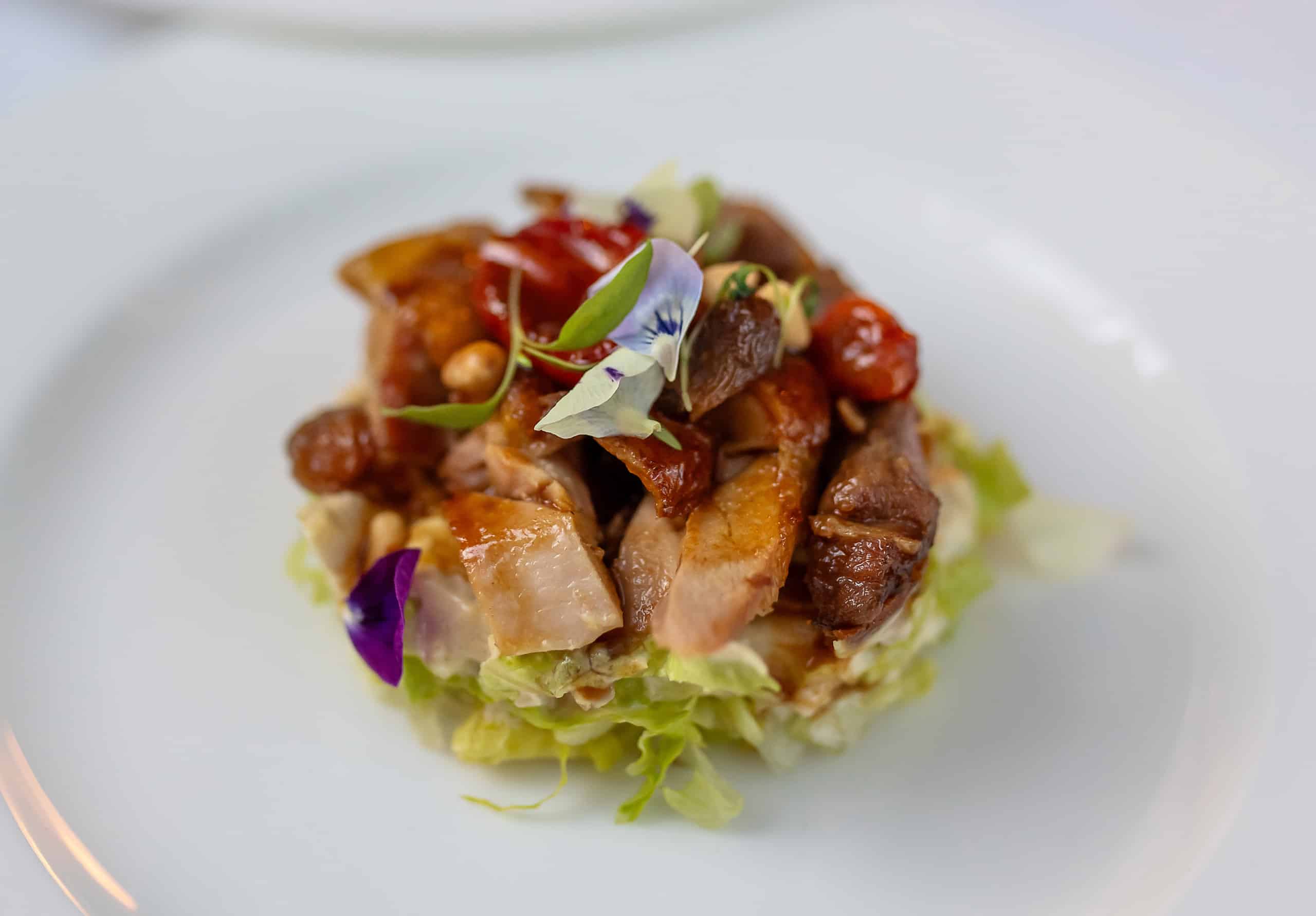
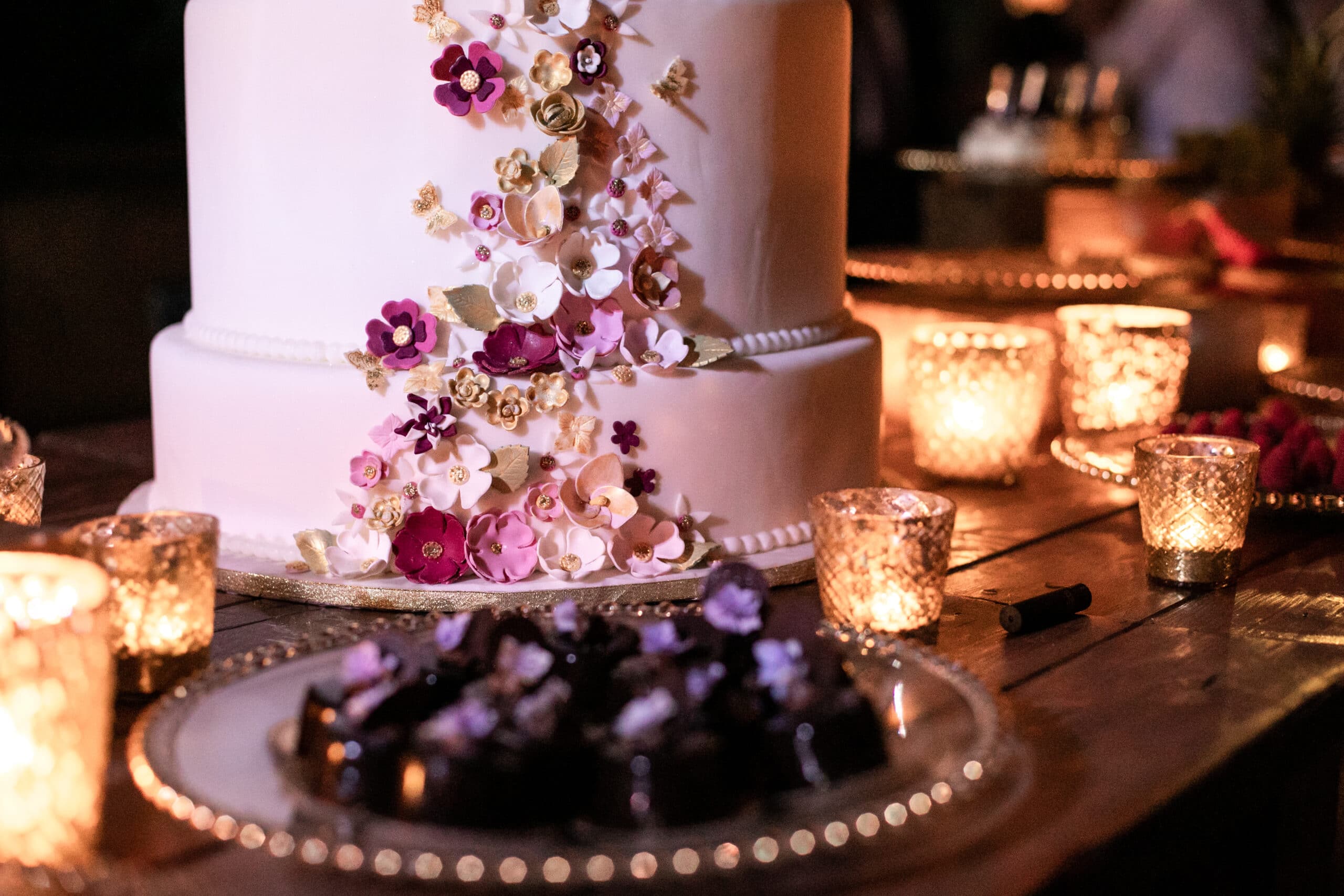
A traditional sweet might become a refined petit four served with coffee. A regional dessert might be transformed into a late-night experience. A family recipe might be presented as one carefully chosen course within a much more contemporary menu.
Tradition becomes more meaningful when there is a reason behind it.
For international couples, these details can also offer a way to connect different cultures. An Italian culinary tradition might sit alongside a dish that reflects the couple’s heritage, creating a menu that celebrates both their destination and their personal story.
The result does not need to be explicitly themed. Sometimes a single ingredient, a familiar flavour or a family recipe is enough to communicate a sense of belonging.
The most thoughtful approach to tradition is not to preserve everything unchanged, but to understand what makes it meaningful and find the right place for it within the celebration.
What makes an Italian wedding food menu memorable?
A sophisticated Italian wedding food menu is not defined by how many courses it contains or how elaborate the presentation becomes. It is defined by coherence.
The menu should belong to the season, the location and the couple. It should complement the atmosphere rather than compete with it.
A dinner beneath olive trees calls for a different culinary language from an intimate reception inside a historic palazzo. A summer wedding overlooking the sea naturally invites freshness and lightness. A winter celebration in a centuries-old villa might embrace deeper flavours, candlelight and a more intimate sense of warmth.
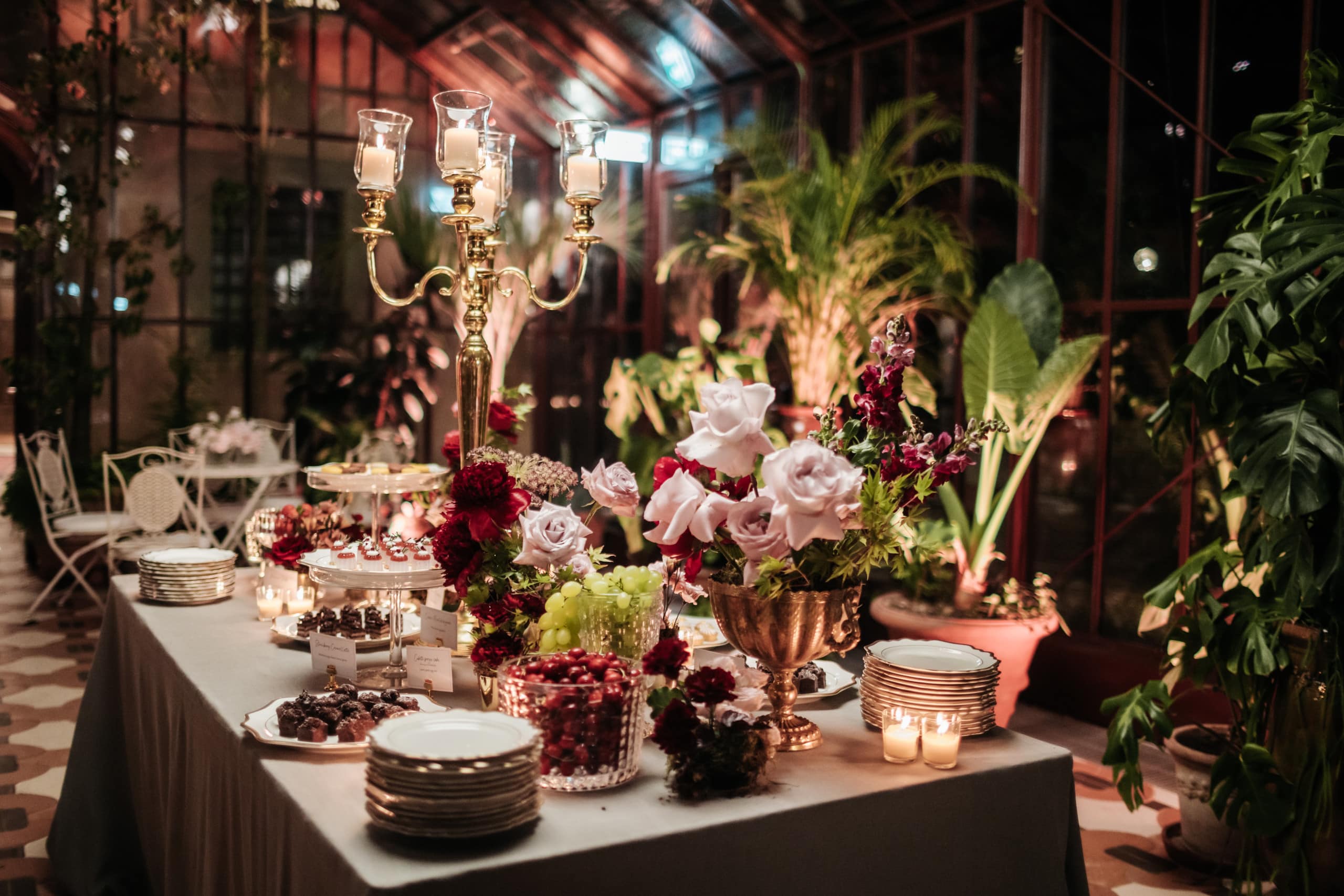
This is where wedding design and gastronomy begin to overlap. The table, the flowers, the lighting, the music, the service and the food should feel as though they belong to the same world.
Achieving this requires an understanding of how the different elements influence one another. The pace of the meal, for example, should reflect the atmosphere of the evening. A formal dinner might call for a carefully structured succession of courses, while a relaxed outdoor celebration might benefit from a more informal approach.
The menu should also reflect the couple’s preferences and the expectations of their guests, without losing its connection to the destination. At Infinity Weddings, this process is supported by a continuous investment in knowledge and research.
Sara Mazzei sees visiting exceptional restaurants around the world as a professional opportunity to observe, compare and refine her judgement.
“We invest time and resources in visiting exceptional restaurants around the world. We want to understand how they work, learn from them and discover new ideas. We observe the relationship between the kitchen and the dining room, the pace of service, the way an ingredient is introduced and the care with which each guest is welcomed.”
The purpose is not to replicate a restaurant experience in a wedding setting. It is to understand what makes that experience successful and identify which elements can be adapted to a different context.
“Service designed for a small number of tables needs to be reconsidered when you are hosting two hundred guests. We need to understand what we are observing, why a particular approach works and how it could translate to a wedding. Research becomes valuable when we can turn it into a beautifully executed experience.”
The difference lies in knowing how to translate inspiration into an experience that works beautifully for every guest.
A typical italian wedding menu or something entirely personal?
A typical Italian wedding menu can be a useful starting point, but the most interesting question is often not, “What is traditionally served at an Italian wedding?”
It is: “What should our guests remember about Italy when they return home?”
It might be the taste of ripe peaches at a summer brunch, enjoyed slowly after a night of celebration.
Or it might be the simple memory of sitting at a long table in the Tuscan countryside while the last light disappeared behind the hills.
For another couple, it could be a memorable pasta course, a wine discovered during the planning process or a dessert that brings together a tradition from each of their families.
There is no single formula for creating an exceptional wedding menu. What matters is the relationship between the food, the destination and the people enjoying it.
For Sara Mazzei, this philosophy extends to every recommendation made during the planning process. At Infinity Weddings, the team develops its knowledge of food, wine and service so that it can guide couples with confidence.
“We educate our team to recognise quality, understand service and develop their knowledge of food and wine. We want to provide informed guidance: asking the right questions, understanding proposals and helping our clients create an experience that reflects who they are.”
This preparation allows the planning team to engage meaningfully with chefs, caterers and dining room managers, helping couples make informed decisions rather than choosing a menu based on presentation alone.
Culinary planning becomes storytelling when every decision contributes to a coherent, personal experience.
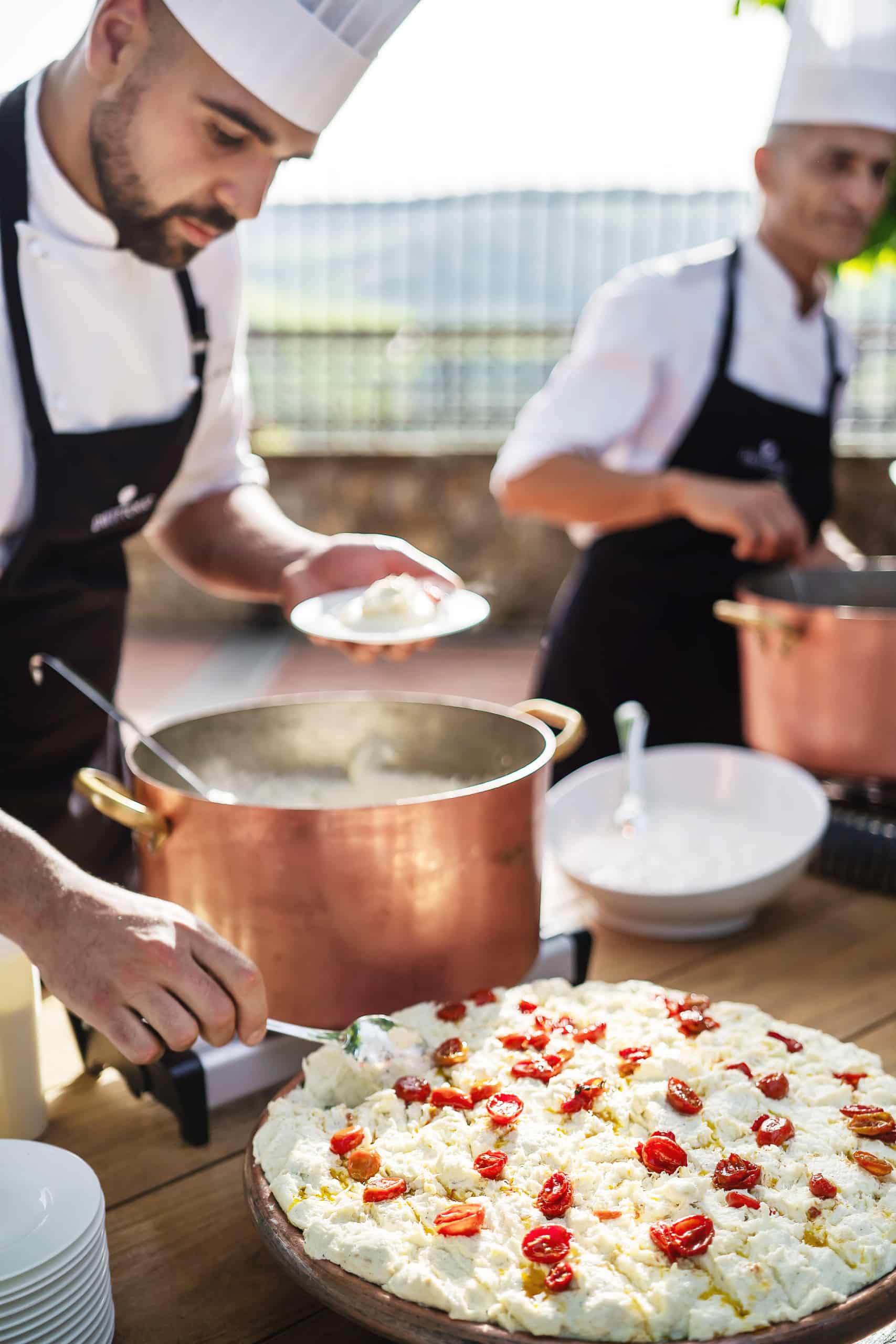
Designing a wedding through all five senses
The most immersive celebrations are never experienced through sight alone. Taste, scent, sound and touch all contribute to the atmosphere, creating memories that can remain vivid long after the event.
For an international couple planning a luxury wedding in Tuscany, for example, the culinary experience can become an extension of the landscape itself. Local wines, seasonal ingredients, olive oil, handmade pasta and carefully selected producers can create a connection between the table and the territory.
The same philosophy can be translated across Italy, always adapting to the character of the place.
Imagine an aperitivo in a garden surrounded by olive trees, with the fragrance of fresh herbs in the air and a glass of local wine in hand. Later, dinner unfolds beneath the stars, with carefully chosen ingredients reflecting the season and the region.
The food becomes part of the sensory language of the celebration, complementing the setting rather than competing with it.
Service contributes to this experience in equally important ways. A well-timed course, a thoughtful wine recommendation or a discreet gesture from a member of the team can make guests feel genuinely welcome.
These details may appear small individually, but together they shape the way the entire event is experienced.
Luxury is not only what guests see. It is also what they taste, how they feel and how naturally every element comes together.
When dinner becomes part of the journey
For a multi-day destination wedding, food has an even greater role to play. The culinary story does not have to begin or end with the wedding reception.
A welcome dinner might introduce guests to the region through a relaxed local menu. A vineyard experience could bring the group closer to the landscape and its producers. The wedding dinner can then become the most refined expression of that journey, followed by a relaxed farewell brunch the next day.
Each event can have its own character. Together, they create a narrative.
This approach allows couples to explore different aspects of Italian cuisine throughout their stay, from regional specialities and traditional preparations to more contemporary interpretations.
It also gives guests the opportunity to experience the destination beyond its most recognisable landmarks. A meal featuring local ingredients or a wine selected from a nearby producer can offer a meaningful connection to the place they have travelled to discover.
For international celebrations, this is particularly important. Guests may have travelled from different countries and cultures to be together, often spending several days in Italy.
Every meal becomes an opportunity to make them feel not only welcomed, but genuinely immersed in the destination.
Planning these experiences requires consistency across all the events, even when their styles differ. The welcome dinner might be informal, while the wedding reception calls for a more sophisticated approach. What connects them is the attention given to the ingredients, the service and the comfort of the guests.
The result is a celebration that unfolds over time, allowing the culinary experience to become part of the journey rather than a single moment within it.
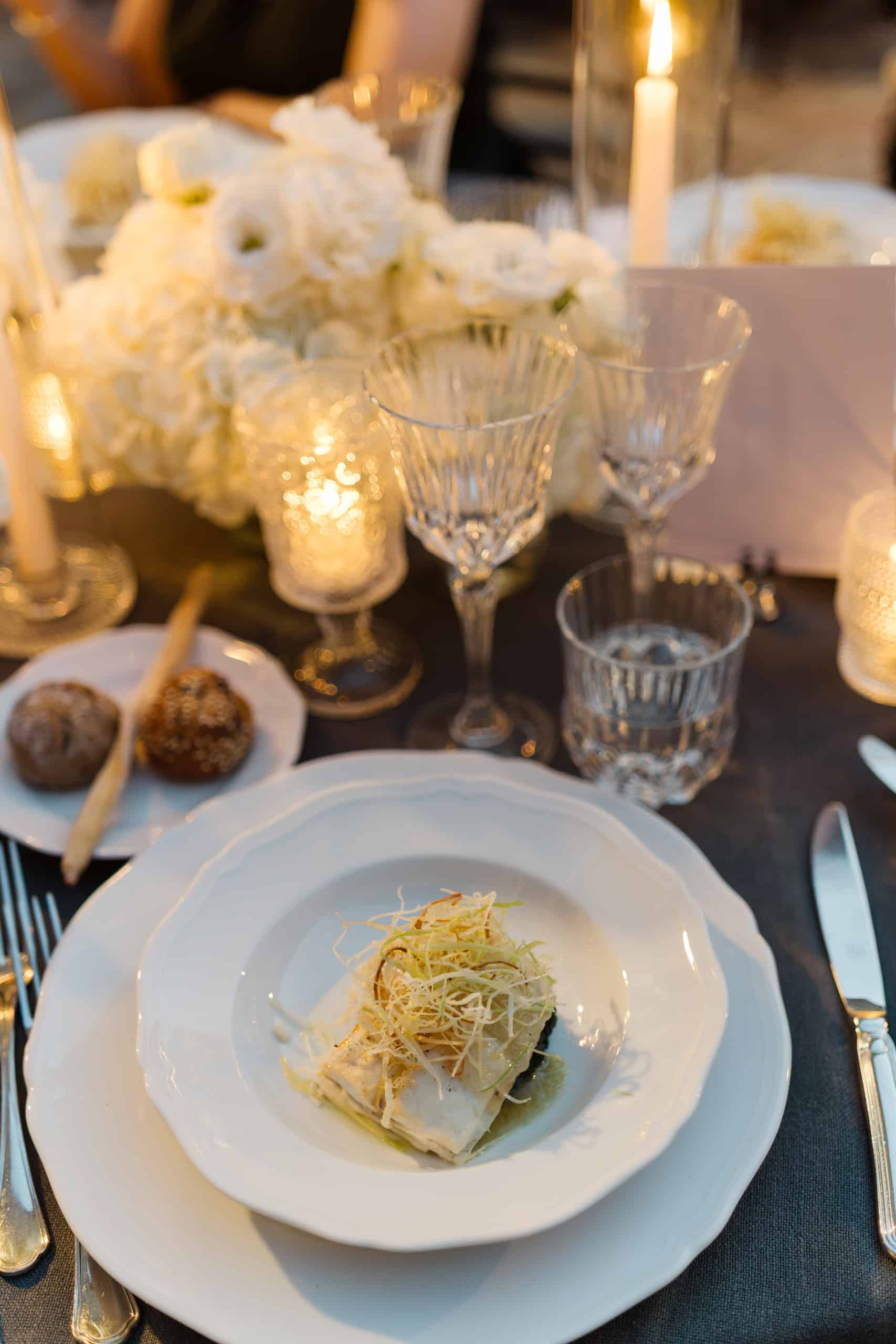
The quiet luxury of being exceptionally well cared for
Ultimately, the most successful culinary experience is not necessarily the one guests analyse. It is the one they remember.
They remember the wine they discovered unexpectedly. The pasta that tasted unlike anything they had experienced before. The chef who came to the table. The dessert served beneath the stars. The effortless way every preference was anticipated.
This is the difference between simply planning a menu and designing an experience. For Sara Mazzei, this distinction lies in the combination of knowledge, quality and attention that supports every stage of the meal.
“For me, luxury at the table is expressed through care. An exceptional ingredient, a dish that arrives perfectly, a wine served with knowledge and attention. And the feeling, for everyone sitting at that table, that their enjoyment has been thoughtfully considered.”
That philosophy extends beyond the kitchen. The planning team, the caterers, the chefs and the dining room staff all contribute to an experience in which the guests’ enjoyment remains central.
For Infinity Weddings, food and wine form part of a broader vision of the celebration, in which entertainment, atmosphere, setting, lighting and hospitality are considered together to create a seamless experience for the couple and their guests.
Because the finest Italian wedding food is not necessarily the most elaborate. It is the food that belongs exactly where it is, in that place, at that moment, for those people.
And years later, when a particular wine is poured or a familiar scent reaches the table, it brings the evening back: not as a photograph, but as a memory experienced through every sense.